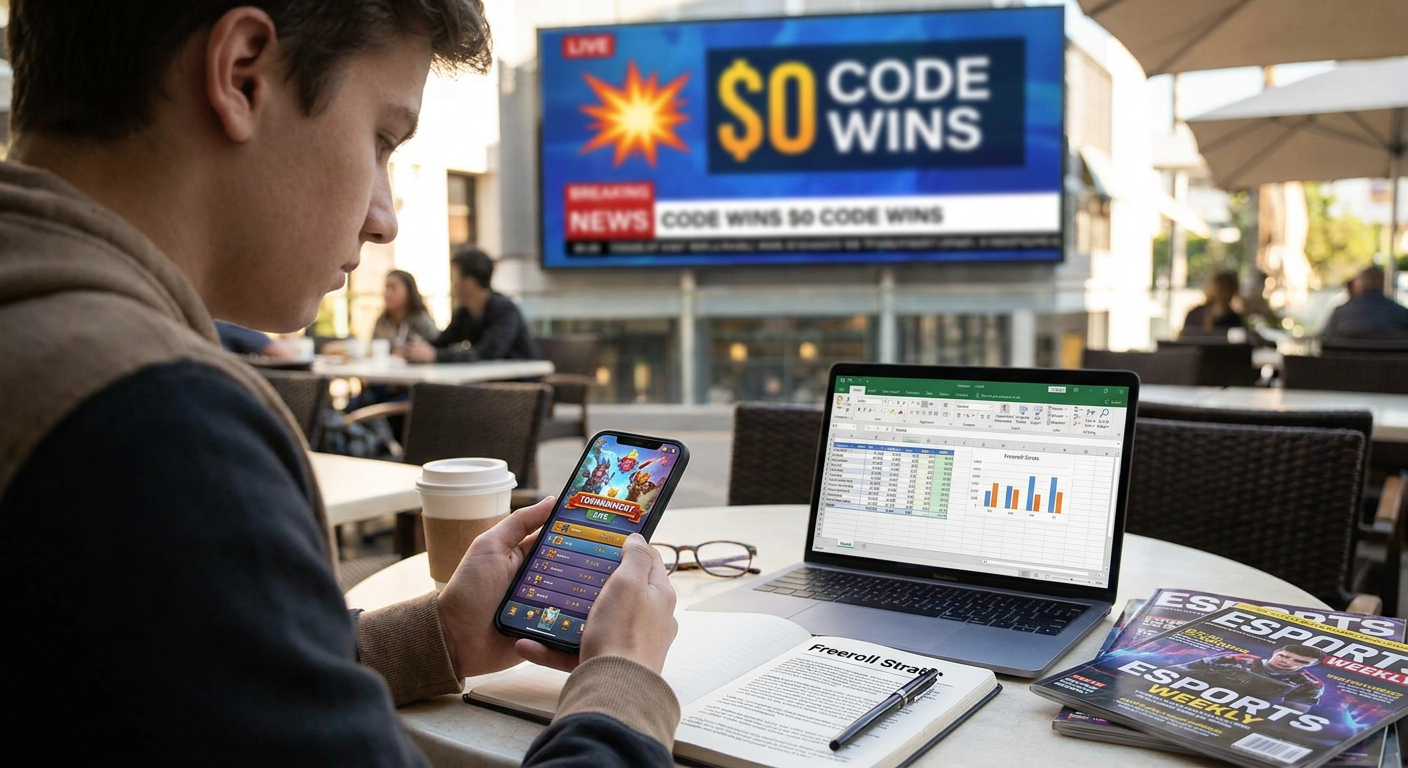
Google Just Killed Android Gaming (Or So They Thought)
Overnight, the largest smartphone ecosystem on the planet decided to change the locks. In March 2026, Google quietly rolled out a new prompt for Android users. Now, anyone trying to download an application outside the official Google Play ecosystem is hit with a stark, foreboding warning screen demanding they dive into their phone's Developer Options and manually flag "Allow Unverified Packages."
If you don't work in software engineering, that phrase alone probably sounds like an invitation to accidentally upload your banking details to the dark web.
But this update isn't so much about protecting you from sophisticated malware as it is about protecting a massive corporate monopoly from competition. The video game industry, particularly AAA studios, is reeling. Just weeks ago, developers over at Epic Games admitted that recent mass layoffs will have a huge impact on development for the rest of the year and likely beyond. Activist investors are acquiring significant stakes in blockbuster studios like FromSoftware, demanding harsher monetization and tighter margins.
Traditional video games are being squeezed by executives. And yet, independent mobile gaming is thriving out of pocket, often by developers stepping outside the legacy platform walls.
This new Android security friction is entirely designed to scare you away from downloading Android app store alternatives for mobile games. But here's the secret the major platforms don't want you to know: bypassing their digital storefronts is entirely legal, incredibly common, and the exact mechanism empowering the next generation of independent game developers to build fairer, more rewarding experiences.
What Really Happened to Your Android Phone?
To understand why this matters, we have to strip away the technical jargon.
Think of the Google Play Store less like a digital library and more like an exclusive shopping mall. Google owns the building, they lease the floor space, and they station security guards at every entrance. Crucially, they take a massive 30% cut of nearly every dollar that changes hands inside their mall.
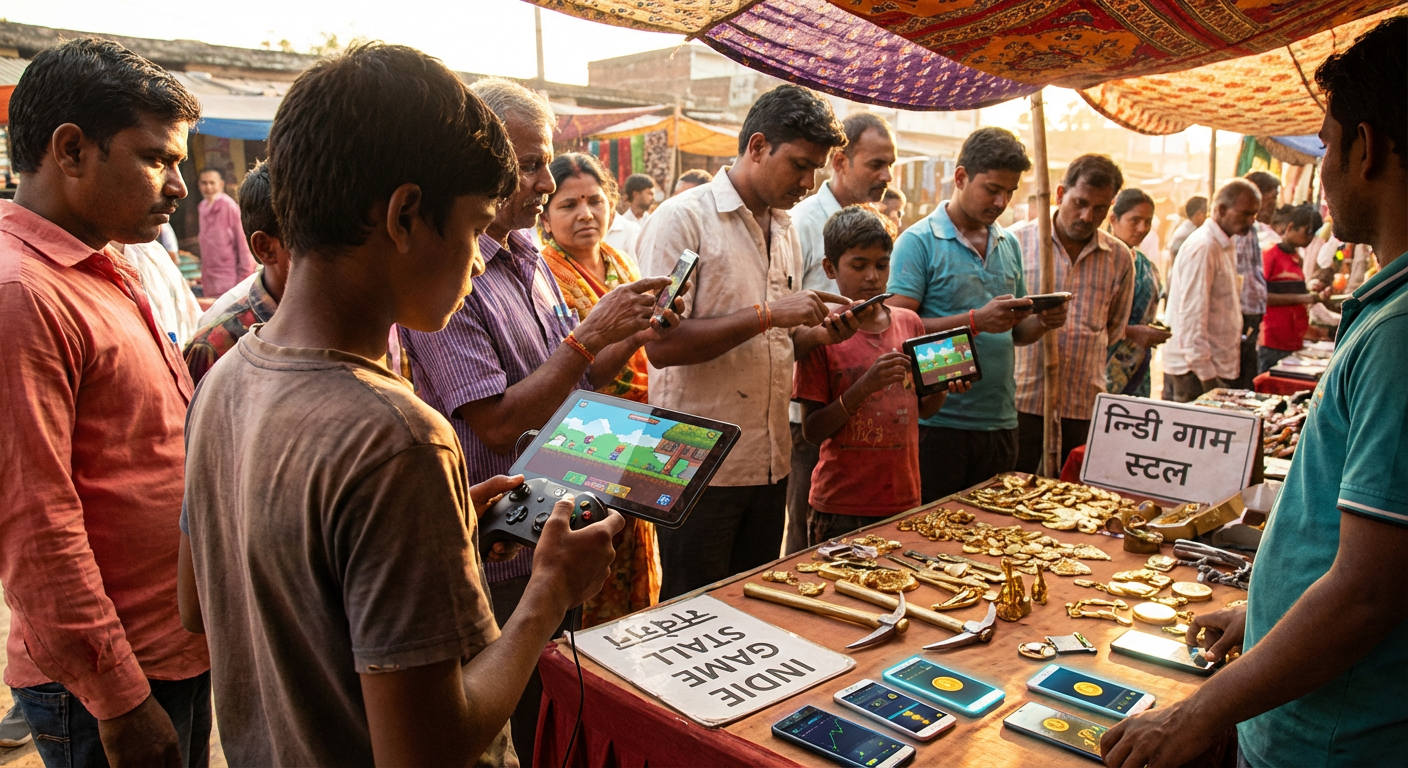
For years, developers who didn't want to surrender nearly a third of their revenue figured out a simple workaround: they just set up a shop across the street. On Android devices, you have always been able to download an "APK"—a straightforward installer file—directly from a developer's website.

Now, Google has essentially told its security guards to stand outside those independent shops and force anyone trying to enter to sign a liability waiver. By burying the "Allow Unverified Packages" toggle deep inside Android's developer settings, the tech giant is deliberately creating friction. They want the process to feel dangerous.
But searching for reliable Android app store alternatives for mobile games isn't a hacker tactic. It is simply a consumer choosing to buy directly from the farmer rather than going through a massive supermarket chain.
Why Developers Risk The Bouncer
If the massive platforms are putting up digital caution tape, you might wonder why developers don't simply surrender and build inside the approved ecosystem.
The answer is survival, and frankly, ambition. The traditional video game industry is contracting. When you read the headlines, the layoff numbers are lying to you—the talent isn't disappearing; it's simply leaving massive, bloated studios to build sleek, hyper-focused indie games.
These independent creators often cannot afford to give away 30% of their revenue to a platform that offers little in terms of marketing or support. Furthermore, certain categories of deeply popular gaming—specifically, real-money competitive skill games—are heavily restricted or buried by algorithmic biases in traditional stores. This is where Android app store alternatives for mobile games become vital.
This is why finding the best Android app store alternatives for mobile games has become a critical consumer skill. By distributing apps directly to players via their own websites or trusted third-party portals, independent developers take full control of their business. They keep their margins intact. They push updates when they want to, not when a platform reviewer decides to approve them. And most importantly, they can offer competitive, cash-based tournament engines that the traditional digital malls refuse to host.
How Alternative Distribution Works For You
If you are a smart, curious adult who enjoys testing your mental agility on your commute, you might be wondering: what does this technology actually do for me?
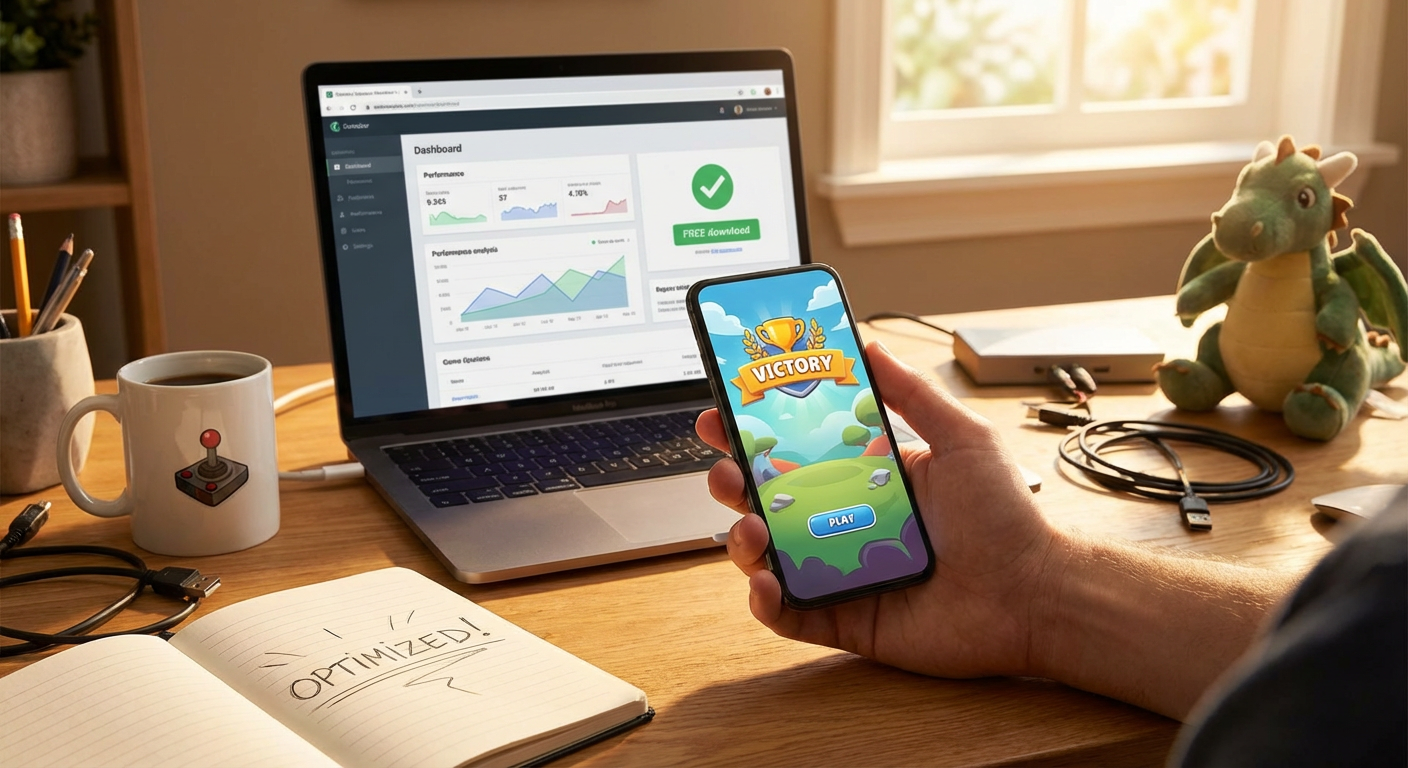
When we talk about Android app store alternatives for mobile games, we are simply talking about a different delivery mechanism for the exact same entertainment. Instead of clicking "Get" in a central app, you navigate to a verified company's website, tap a download button, and approve the installation file yourself.
Does it cost anything? Absolutely not. Reliable third-party games are completely free to download. The installation process adds exactly zero dollars to your digital receipt.
Is it worth the extra tapping? That depends entirely on what kind of player you are. If you are content with endless advertisements, broken progression loops, and pay-to-win mechanics where massive whales dominate the leaderboards, traditional app stores have thousands of options for you.
But if you want to play for real—if you want environments that respect human intention, effort, and sincerity—you often have to seek out the developers building outside those walls.
The "Play For Real" Economy Bypasses The Noise
This is where the conversation shifts from a technical inconvenience to a cultural opportunity.
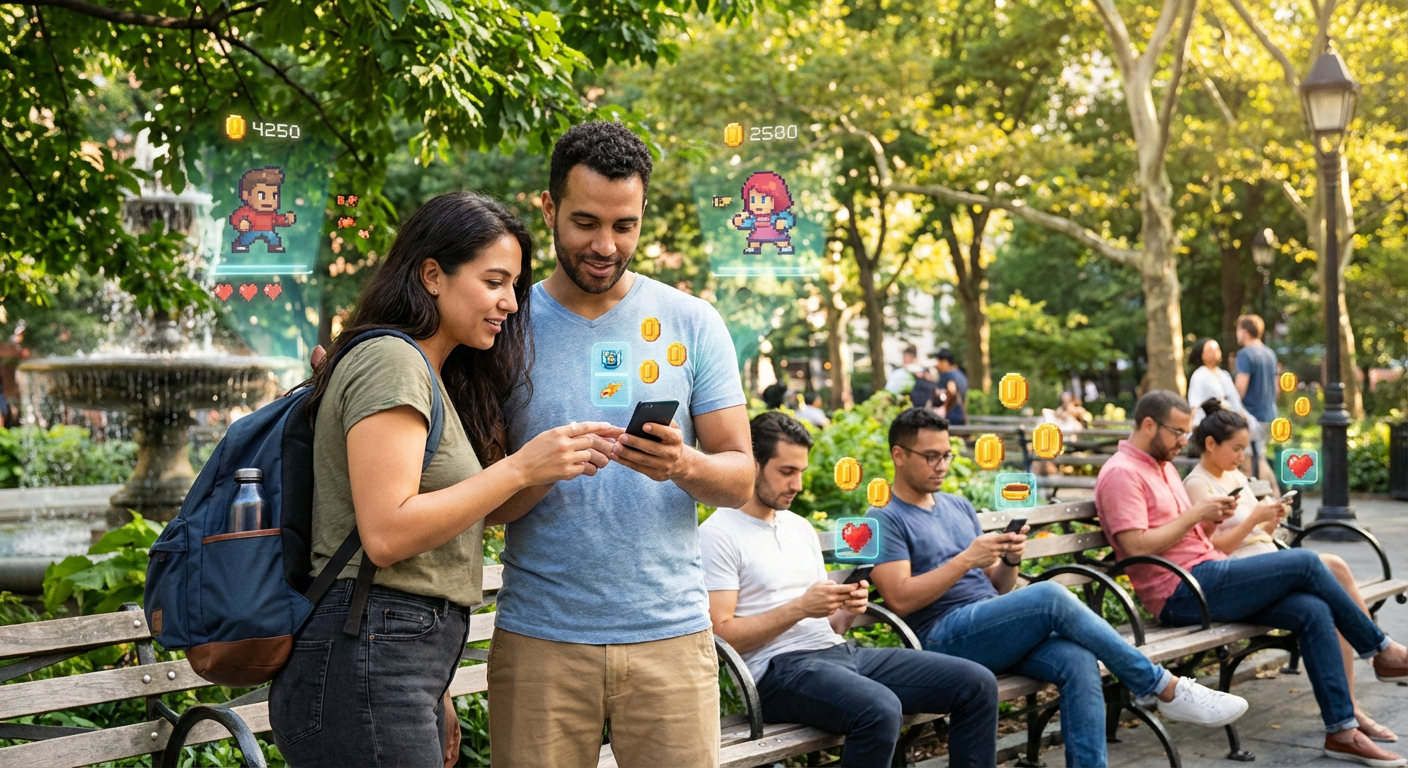
The companies successfully navigating this new Android friction are doing so because they've built experiences players actively want to jump hurdles for. Papaya Gaming operates on an ethos that players aren't just algorithmic data points to be manipulated by slot-machine mechanics. They are people who treat life as something worth engaging with. They want a competitive arena to test their actual ability.
When you download a skill-based competition title like Solitaire Cash or Bingo Cash, you aren't fighting a rigged computer. You are entering a mathematically verified tournament system where every single player receives the exact same deck configuration, the exact same ball drops, and the exact same time limit.
The winner isn't the person who bought the most digital currency; it is the person who recognized patterns faster, optimized their moves, and executed under pressure. It is a true meritocracy. And importantly, players actively seek out direct distribution models to access these environments because traditional app stores fundamentally misunderstand how fair skill-based gaming operates.
The Financial Geography of Play
Experts analyzing mobile gaming acquisition trends in 2026 are finding fascinating data. Players are becoming savvier. They realize that when Reddit proved communities can surface great games organically, the reliance on a centralized Google or Apple storefront diminished. The cost of acquiring new players natively through social channels and organic discovery has outpaced the value of being randomly featured on a digital storefront's homepage.
For the player, a direct-download game brings tremendous value. Because the developer isn't bleeding 30% to Google, they can afford to run better servers, construct tighter matchmaking algorithms, and offer higher prize pools in their competitive cash arenas. The friction of clicking "Allow Unverified Packages" takes roughly four seconds. The upside is access to an entirely un-throttled ecosystem of indie brilliance. This is a powerful reason to explore Android app store alternatives for mobile games.
The Path Forward is Direct
It is tempting to look at Google's recent security update as a catastrophic roadblock. It isn't. It is simply a filter.
Yes, the new "Allow Unverified Packages" prompt looks a bit terrifying by design. But we are already seeing that players who want quality, who want fair matchmaking, and who want real competition are perfectly happy to flip a toggle in their settings menu.
The developers who survive the intense AAA layoffs and activist investor squeezes aren't the ones crying over platform policies. They are the ones embracing Android app store alternatives for mobile games to deliver pristine, uninterrupted digital experiences straight to the pockets of their audience.
Mobile gaming isn't dying, and it certainly isn't being locked down. It is simply moving strictly into the hands of those bold enough to hit the download button directly. And for the developers building arenas worthy of our time, the payout has never been larger.
Frequently Asked Questions
Ready to turn your game into a competitive tournament?
Partner with Papaya to bring skill-based competition to your players.
Partner with Papaya