
The Layoff Numbers Are Lying To You
Capital efficiency has finally come for the joystick. If you have glanced at business news this morning, March 4, 2026, you likely saw the grim statistics. The Game industry layoffs tracker is currently logging reductions that outpace the first quarters of 2024 and 2025 combined. For the casual observer, it looks like video games are entering a recession.
That assumption is wrong. The industry is not shrinking; it is shedding its skin.
While headcount at legacy studios is dropping, revenue across the interactive entertainment sector is hitting record highs. This is a confusing paradox for anyone outside the boardroom, but the explanation is straightforward. We are witnessing the end of the "Brute Force Era" of game development. For thirty years, making a better game meant hiring 500 more artists. That math no longer works, and frankly, it never made sense to begin with.
The Great Decoupling
To understand what is happening, you have to look at the difference between a factory and a stadium. Traditional AAA development operated like a factory: thousands of workers assembling millions of digital assets—trees, textures, dialogue lines—by hand. It was expensive, slow, and risky. If the final product flopped, the studio closed.
The Game industry layoffs tracker is essentially a heatmap of these factories shutting down. But rising from that dust are the "Stadiums"—platforms built for human competition rather than passive consumption. In the skilled mobile gaming sector, exemplified by platforms like Papaya Gaming, the economic model is entirely different. They don't need an army of artists to paint new leaves on trees every month. They provide a fair, technically sound arena where players compete against each other.
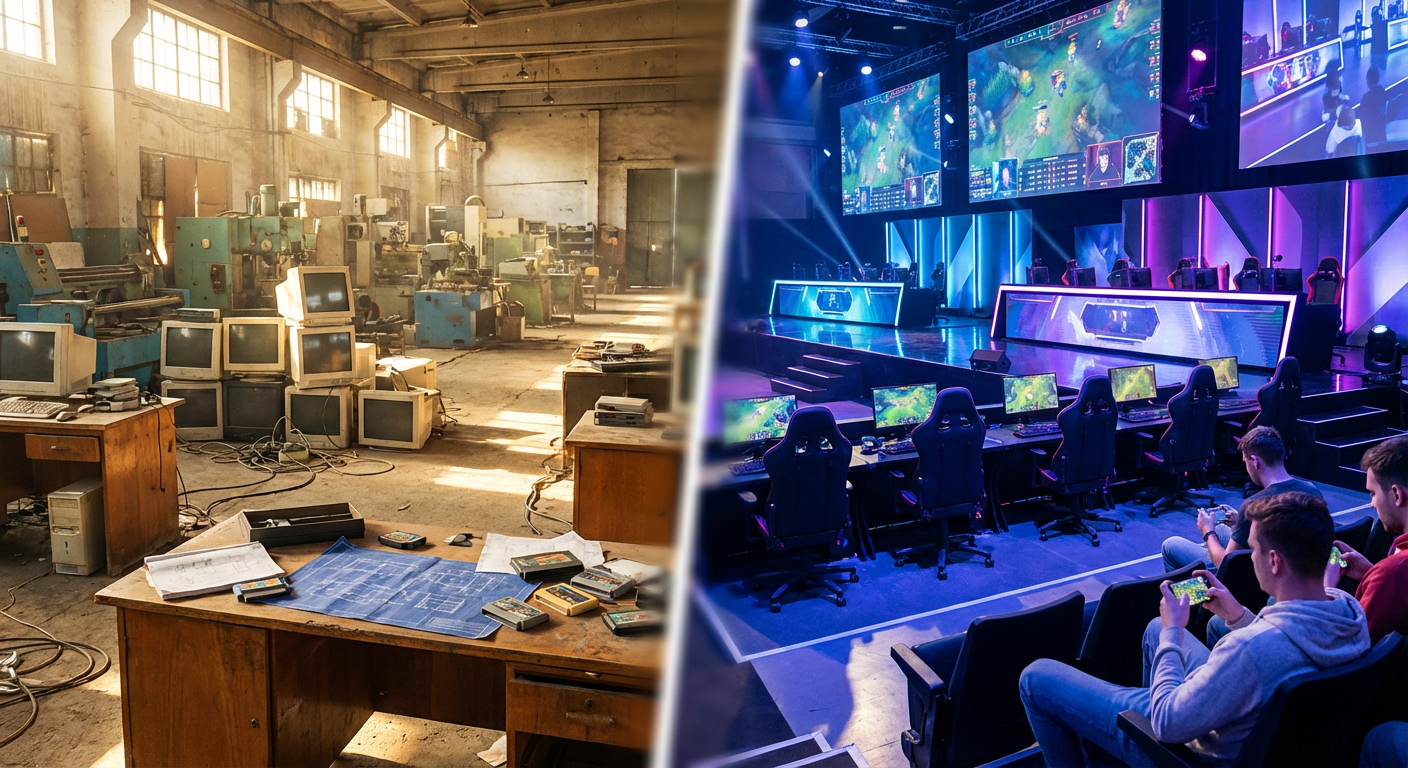
This shift protects these companies from the volatility rocking the rest of the market. Games like Solitaire Cash rely on the integrity of the match—mathematics and matchmaking—rather than an endless treadmill of content production. This is why you see stability in the competitive sector while narrative studios struggle. As we discussed in Mobile Esports Took Over: $60 Million Shift, the money has moved toward systems that facilitate human skill.
Why Investors Changed Their Minds
Follow the money, and the picture clears up. In 2023, venture capital firms wanted the next "blockbuster movie" equivalent in gaming. In 2026, they want social networks. Investors have realized that betting $200 million on a single story-driven game is bad business in the current interest rate environment.
Instead, smart capital is flowing into retention-heavy ecosystems. A game like Bingo Cash operates more like a social club than a movie theater. Players return because of the community and the thrill of the win, not because they need to see the next cutscene. This "sticky" user base is what keeps valuations high even when the Game industry layoffs tracker shows red ink elsewhere.
This transition is fantastic news for indie developers. You no longer need a budget of millions to compete. You need a mechanic that is fair, fun, and respects the player's intelligence. The barrier to entry has lowered, even as the ceiling for success has raised.
The Accidental Green Wave
There is a second, quieter reason for the industry shift: efficiency is the new virtue. As studios slim down, they are forced to write cleaner, faster code. Bloated file sizes and inefficient servers cost money—a lot of it. By cutting the fat, studios are inadvertently integrating climate action in game live ops.
This isn't about PR; it's about survival. Leaner code requires less processing power and electricity. The developers surviving the widespread cuts of 2026 are the ones who can do more with less. They are building lightweight apps that load instantly and run smoothly, rather than massive data hogs.

The Two Paths Forward
Looking at the data from the Game industry layoffs tracker, we can see the industry splitting into two distinct camps for 2027.
First, you have the "Simulations." These will be massive worlds generated largely by automated tools, requiring very few humans to build. They will be impressive to look at but often hollow to play.
Second, you have the "Competitions." These are the games where human input matters most. You cannot automate the adrenaline of a last-second victory in Bubble Cash. The value comes from knowing you outplayed another person, not a computer. This sector is where the jobs are safe, and where the most exciting growth is happening.
Don't Panic, Adapt
The headlines will remain scary for a few more quarters. The Game industry layoffs tracker will likely stay active through the end of the year. But do not mistake a renovation for a demolition. The industry is getting smarter, leaner, and more focused on the player.
For developers, the message is clear: stop trying to out-spend the giants. Build for connection. Build for competition. For players, the future is bright. The era of paying $70 for a game that wastes your time is ending. The era of skill-based play, where your effort translates to real results, is just beginning. As noted in our analysis on Why Digital Solitaire Beats Your Kitchen Table, the modern player demands agency, and the market is finally reorganizing to give it to them.
Frequently Asked Questions
Ready to turn your game into a competitive tournament?
Partner with Papaya to bring skill-based competition to your players.
Partner with Papaya