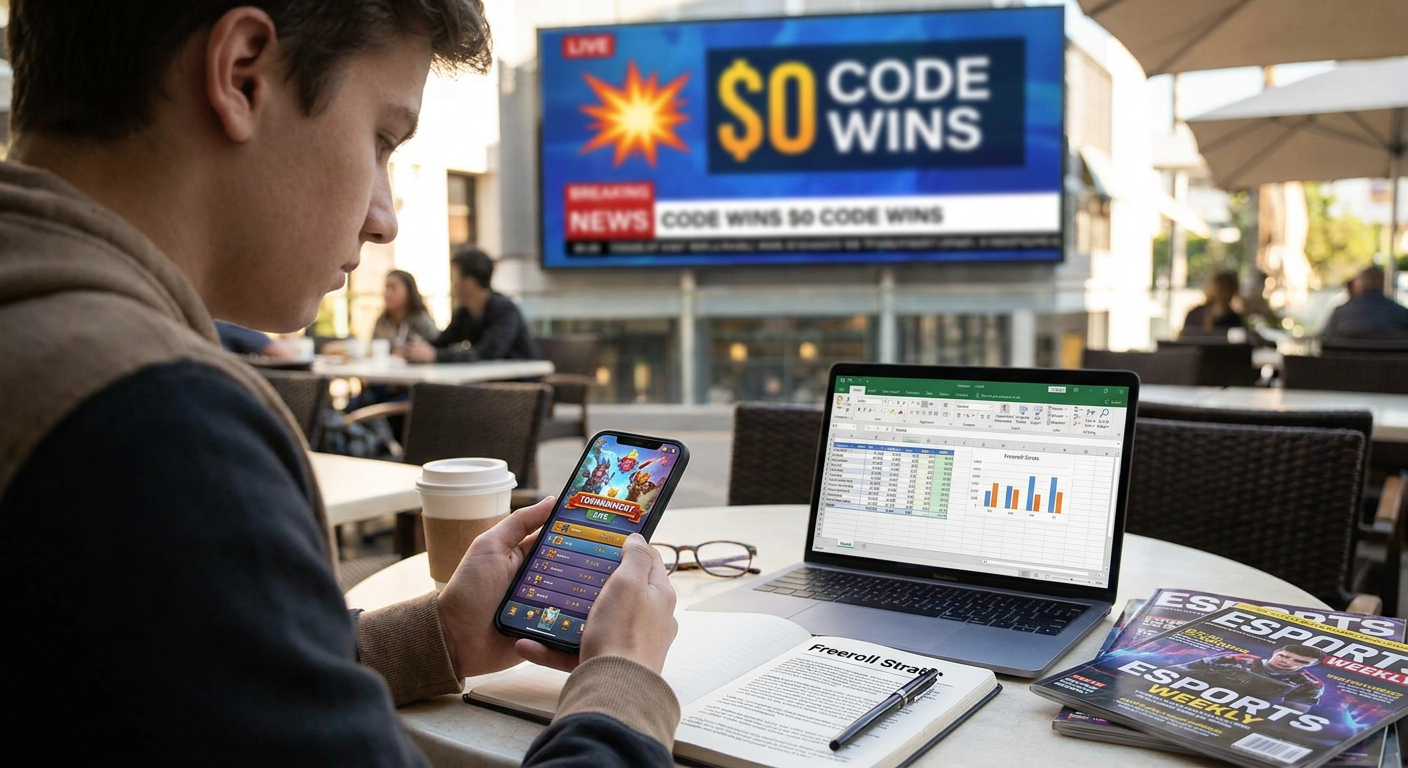
Fair Matchmaking Is Gaming's Biggest Growth Hack
The era of the "pity bot" is officially over. In Q1 2026, industry-wide churn data revealed a startling correlation: mobile titles using heavy Engagement Optimized Matchmaking (EOMM)—systems designed to manipulate win rates to prolong session length—saw a 28% spike in negative sentiment analysis. The common thread in specific user reviews wasn't graphics or monetization. It was agency.
Players have become algorithmically aware. They know when a loss is genuine, and they know when a system is handing them a predetermined defeat to force a spending conversion. The black box has shattered.
For developers, this signals a massive shift. The market is moving away from psychological manipulation toward competitive integrity. The next great differentiator in the app store isn't graphical fidelity; it is trust. We are witnessing the rise of Skill-Fidelity Matchmaking (SFMM), where the mathematical rigor of building fair matchmaking for mobile tournaments is becoming the bedrock of sustainable monetization.
The Death of "Just One More Game"
Historically, mobile retention strategies relied on the near-miss psychology of slot machines. Matchmaking engines were tuned to give players a dopamine hit (a win) exactly when churn probability spiked. While effective in the short term, this approach burns through user trust. Once a player realizes the game is "playing them," the magic evaporates.
The shift we are tracking in 2026 favors platforms that offer a clean, unadulterated arena. This is the philosophy that propelled Solitaire Cash to dominance in its category. The premise is simple but radical: every player in a tournament receives the exact same deck, sorted in the exact same order. The variable of luck is cut out, leaving only skill.
When a player loses in this environment, they don't blame the code. They blame their own efficiency. This triggers a "mastery loop" rather than a "gambler's fallacy" loop. The former leads to long-term engagement; the latter leads to burnout.

Vectors Over Victory Ratios
New middleware emerging in the indie sector suggests that building fair matchmaking for mobile tournaments now requires data far more granular than the antiquated Elo system. Elo was designed for zero-sum games like chess, calculating a single number based on wins and losses. It fails to capture the nuance of modern mobile mechanics.
The new standard breaks player behavior into vectors. Systems like the conceptual "Symmetry Engine"—currently in beta among top-tier development circles—analyze specific telemetry:
* Input Precision: How accurate are tap coordinates? * Latency Stability: Is the connection jitter influencing outcomes? * Crisis Management: How does the player perform in the final 10 seconds of a match?
By matching players based on "how" they play rather than just "if" they win, developers prevent the smurfing problem that plagues casual competitive games. If a new account demonstrates Top 1% input speeds, a modern engine immediately silos them into a "Shadow Bracket" of equally skilled opponents. This protects the ecosystem. It ensures that a casual player logging into Bubble Cash experiences a fair challenge, not a slaughter.
The Friction of Fairness
There is a cost to integrity, and it manifests in time. Tighter skill parameters inevitably lead to longer queue times. In 2024, the industry consensus was that anything over 10 seconds of wait time was a death sentence for retention.
However, 2026 data contradicts this assumption. Players are demonstrating a willingness to wait up to 60 seconds for a match *if* they trust the outcome will be balanced. This mirrors the "Play For Real" mentality seen in high-stakes esports. When the competition feels substantial, the wait builds anticipation rather than frustration.
Developers building fair matchmaking for mobile tournaments are finding that while session frequency might dip slightly, session *quality* and average revenue per user (ARPU) increase. Players invest more in ecosystems where they feel their skill is the primary determinant of success.
The Technical Moat
For indie developers, this presents both a challenge and an opportunity. The technical hurdles of building fair matchmaking for mobile tournaments are no longer theoretical. You cannot rely on default backend services that simply group the first ten available players.
The solution lies in creating transparency. The Silent Algorithm That Killed Luck Forever explored how RNG (Random Number Generation) is being replaced by pre-seeded fairness. If you are building a competitive shooter or puzzle game, your server architecture must support verification. Can you prove to the player that the match was fair?
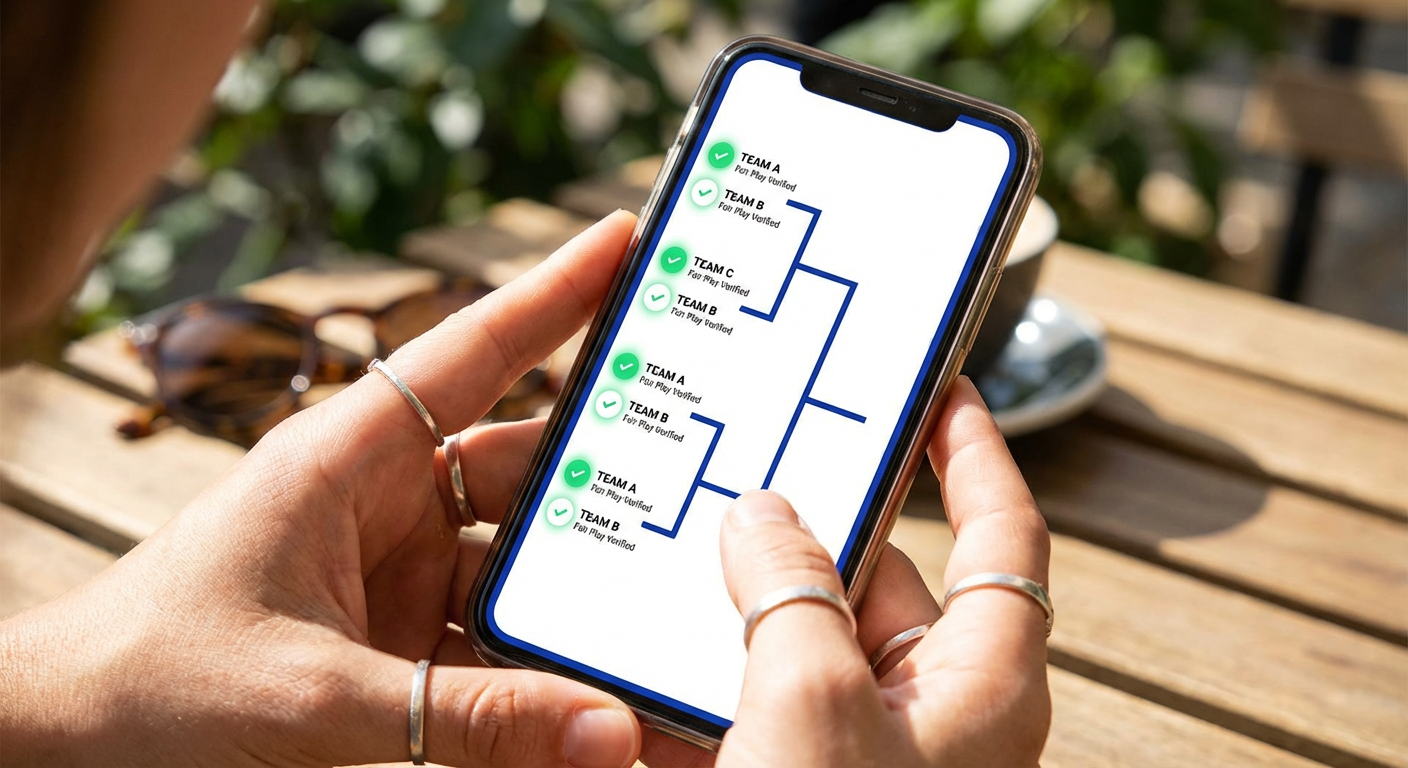
Why Trust is the 2026 Growth Engine
We are moving toward a standard where games will need to be "Fairness Certified" to attract the whale demographic. High-skill players—the ones who drive the economy of competitive games—are migrating to platforms that respect their intelligence.
Look at the trajectory of Mobile Esports Took Over: $60 Million Shift. The money didn't follow the flashiest graphics; it followed the most stable competitive rule sets. Papaya Gaming’s portfolio, including Bingo Cash, thrives because it functions as a digital sport, not a digital casino.
The prediction for the remainder of the year is clear: The studios that invest in transparency and rigorous skill-matching will own the retention charts. The studios that stick to engagement-rigging algorithms will see their user bases evaporate. In the end, the most addictive mechanic isn't a Loot Box—it's a fair fight. FAQ:
Frequently Asked Questions
Ready to turn your game into a competitive tournament?
Partner with Papaya to bring skill-based competition to your players.
Partner with Papaya