The Silent Algorithm That Killed Luck Forever
The notification arrived at 6:43 AM on the Uptown 4 train, silently vibrating against Elias Thorne’s thigh. It wasn’t a text from his girlfriend or a reminder from his calendar. It was a deposit confirmation: $450.00.
Elias, a junior actuary who spends his days calculating risk for a mid-sized insurance firm in Hartford, didn’t flinch. He didn’t scream. He simply adjusted his glasses, blocked out the screech of the subway wheels, and tapped the 'Play Now' button on his screen. To the commuters squeezed in around him, he was just another suit doom-scrolling or crushing candy. In reality, Elias was clocking into his second job.
He wasn’t gambling. He wasn’t speculating on crypto. He was playing Solitaire.
"People think it's about the cards you get dealt," Elias told me later, sitting in a dimly lit ramen shop in the East Village, his phone face-down on the table like a holstered weapon. "It's not. It's about how fast you can process the pattern recognition. The algorithm removed the luck three years ago. Now, it's just raw cognitive speed."
The old archetype of the 'Gamer' is dying. By 2026, the distinction between them and the new 'Player' has become critical. Gamers want an escape; Players, as styled by platforms like Papaya Gaming, want an arena. But the real story isn't the players—it's the invisible architecture that turned casually popping bubbles into a meritocracy that pays the rent.
The Engineering of Fairness
Understanding how skill-based games pay real money means looking under the hood of the matchmaking engines that have quietly evolved over the last half-decade. In the early 2020s, mobile gaming was a Wild West of 'pay-to-win' mechanics and loot boxes—digital slot machines disguised as strategy. The industry pivoted when developers realized that the longest-lasting engagement came not from dopamine spikes, but from fairness.

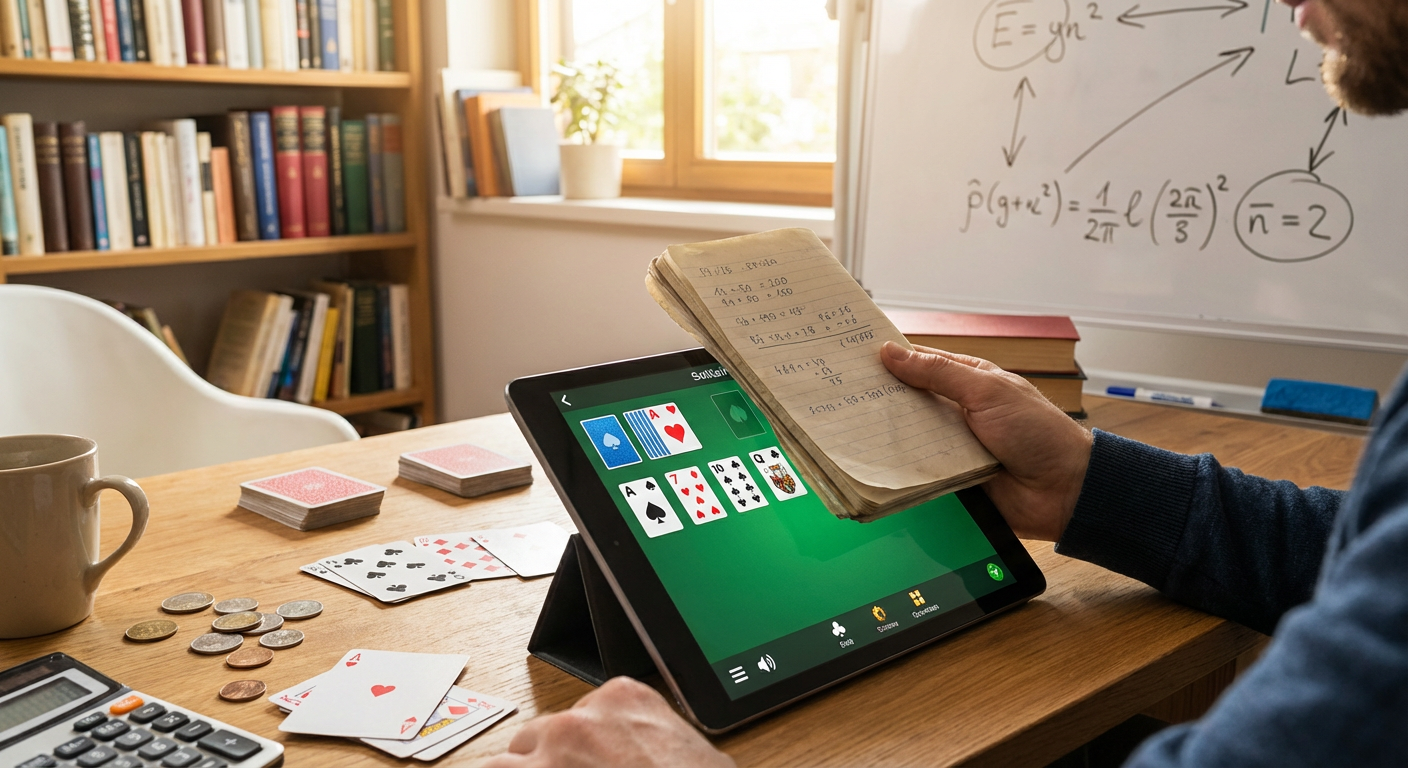
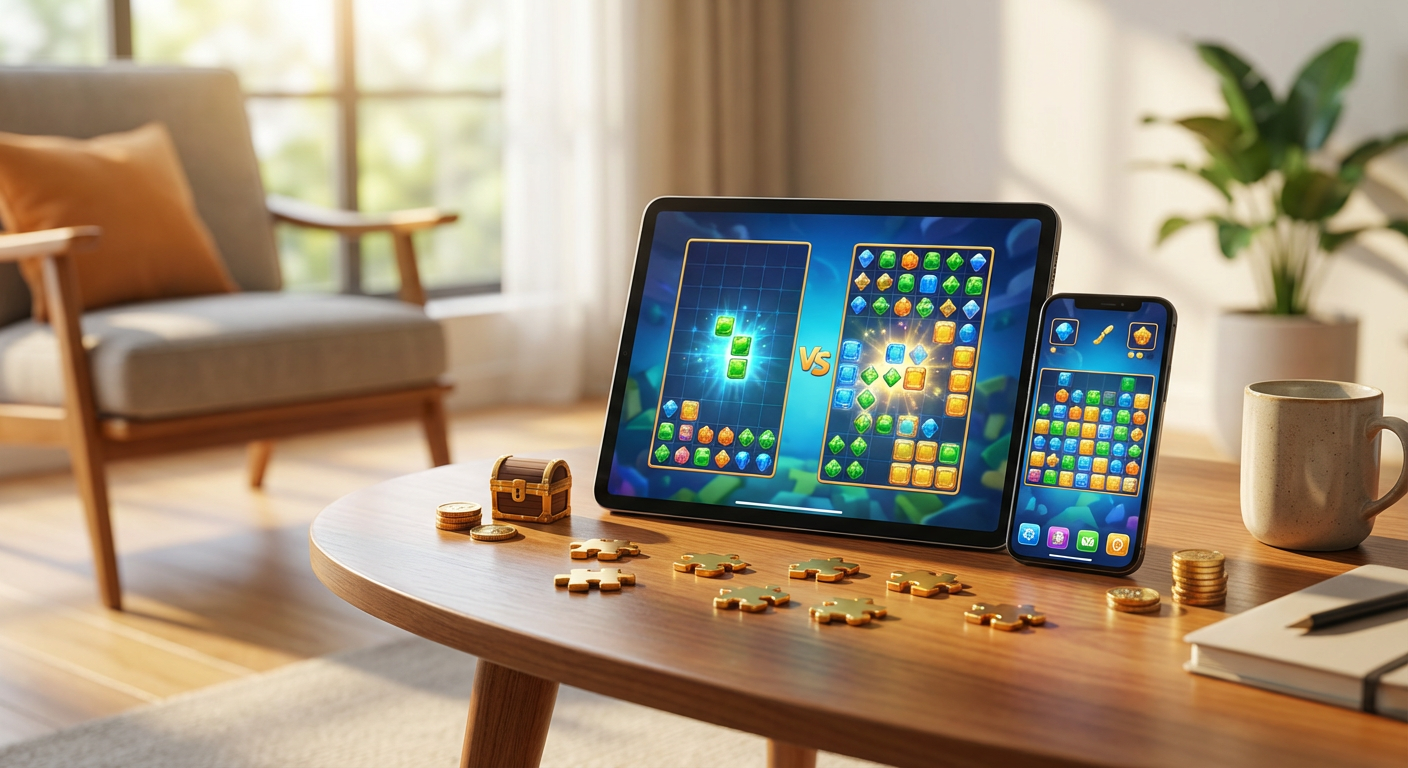
The breakthrough wasn't graphical; it was statistical. Companies began effectively cloning the game state. When involved in a Solitaire Cash tournament, every participant receives the exact same deck, shuffled in the exact same order. The variable of 'luck'—the bane of competitive integrity—is mathematically excised. What remains is a pure distillation of decision-making.
This shift demanded a massive leap in how developers were building fair matchmaking for mobile tournaments. It wasn’t enough to just give everyone the same deck; you had to ensure Elias wasn’t playing against a novice who just downloaded the app, nor a bot with zero reaction time. The systems active in 2026 function less like arcade lobbies and more like high-frequency trading algorithms, matching 'skill Elo' (a rating system used in chess) with frightening precision. When the playing field is perfectly level, the only variance is human striving.
The Democratization of the Prize Pool
Historically, earning a living from gaming meant being in the top fraction of a percent for reaction times—a Korean StarCraft prodigy or a Scandinavian Counter-Strike savant. You needed corporate sponsorship, a team house, and 12 hours of practice a day.
That model is obsolete.
The real shift of 2026 is distributed competition. The mechanism for how skill-based games pay real money is, unlike opaque gambling, quite simple. It is the democratization of the entry fee. Ten players contribute a dollar; the winner takes the pot, minus the platform's hosting fee. It is the digital equivalent of a neighborhood tennis tournament, scaled to millions of concurrent users.
"I tried to explain to my bank manager how skill-based games pay real money when I applied for a mortgage," says Sarah Jenkins, a 42-year-old architect from Seattle who ranks in the top tier of Bubble Cash players. "He looked at me like I was laundering crypto. I had to show him the ledger. It’s consistent. It’s taxable. It’s work."
This consistency is why the biggest mobile gaming tournaments of 2026 aren't being played in stadiums with pyrotechnics. They are being played on bus stops, in break rooms, and on living room couches. The spectacle has vanished, replaced by ubiquity.
The Rise of The Micro-Athlete
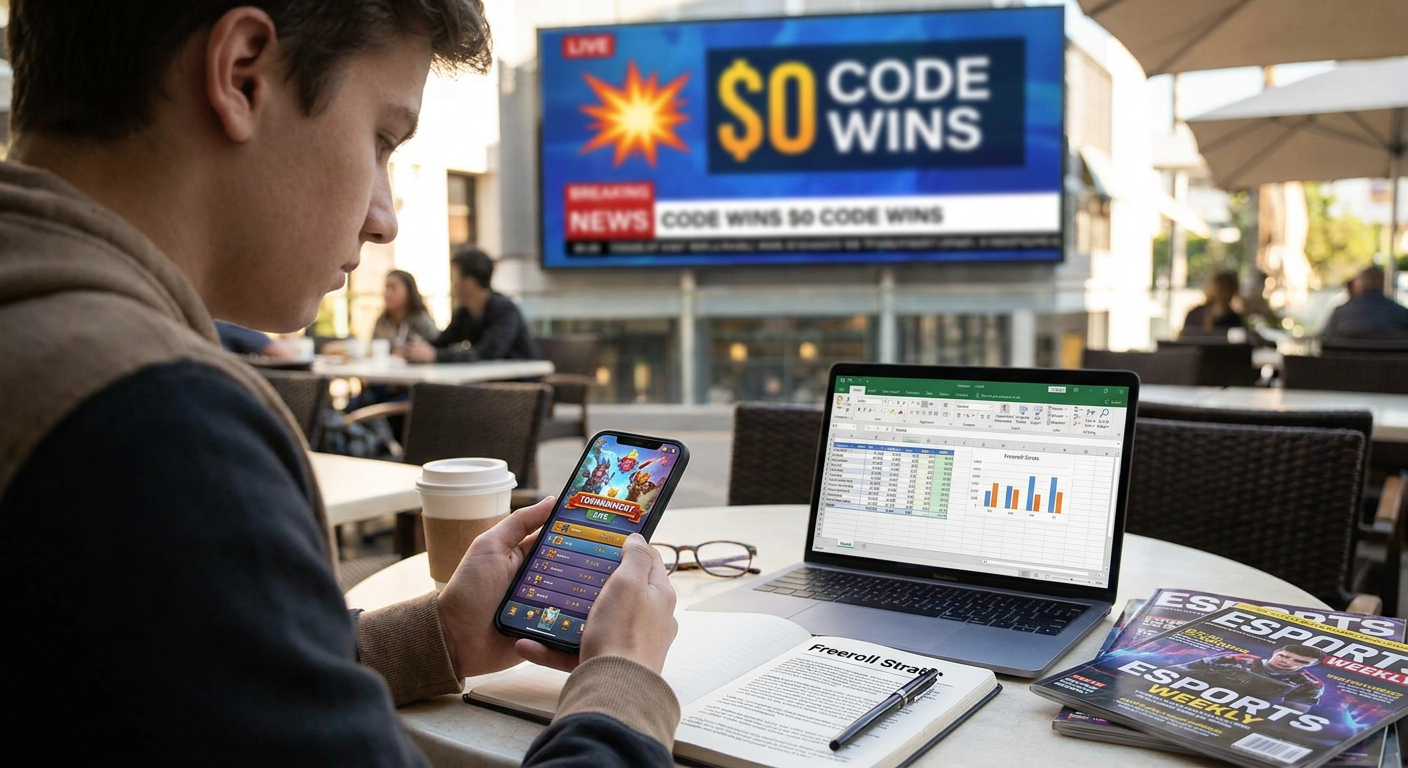
Consider how a game like Bubble Cash became a competitive esport. It didn't happen through Red Bull sponsorships or Twitch streamers screaming into microphones. It happened through retention. Players realized that if they applied the same discipline to bubble popping that they applied to learning Excel or playing the piano, they saw tangible returns.
This has birthed a new demographic: the Micro-Athlete. These aren't teenagers. They are often professionals—accountants, nurses, logistical managers—people who are already wired for efficiency and grace under pressure. They treat Papaya’s platforms not as a distraction, but as a mental gymnasium.

The economic implications are subtle but profound. We are moving toward a 'Play for Real' culture where leisure time is financialized. Critics call it dystopian; proponents call it empowering. Why should skill be free? If you are the best in the world at sorting colors or clearing cards, the market now says that talent has a price tag.
The Prediction: The Skill Identity
Looking forward to 2027 and beyond, the pattern suggests a merger between gaming data and professional identity. If building fair matchmaking for mobile tournaments requires analyzing grace under pressure, decision-making speed, and strategic foresight, that data is valuable outside the game.
We will likely see a future where one's 'Skill Rank' in these closed systems becomes a verifiable metric of cognitive health and executive function. The mechanism of how skill-based games pay real money will evolve from simple prize pools to broader reputation systems.
Elias finished his ramen and checked his phone again. Another tournament was starting in three minutes. He didn't play because he was addicted to the lights or the sounds. He played because, in a chaotic world of office politics and unpredictable markets, the game was the one place where the variables were controlled, the playing field was flat, and the only thing that mattered was how good he was.
"It’s honest," he said, tapping the screen. "And these days, that’s worth paying for."
Frequently Asked Questions
Ready to turn your game into a competitive tournament?
Partner with Papaya to bring skill-based competition to your players.
Partner with Papaya