The Algorithm That Deleted Luck Just Saved Gaming
Probability is a liar to the human brain. If a player loses three matches in a row due to a statistical anomaly, they don't blame math. They blame the developer. They call it rigged. They churn.
This psychological friction has cost the mobile gaming industry billions in lost retention, creating a desperate need for a new standard. Enter the "Zero-RNG" architecture—a design philosophy that treats luck not as a mechanic, but as a variable to be isolated and neutralized. Over the last week, I’ve been stress-testing the matchmaking and game logic engine that powers Papaya Gaming’s ecosystem, specifically within the high-stakes environment of Solitaire Cash.
This isn't just a review of a game; it's a review of the invisible infrastructure that is redefining fairness in 2026. Here is how the new gold standard of balancing skill vs luck game design actually performs under pressure.
The Setup: Input vs. Output Randomness
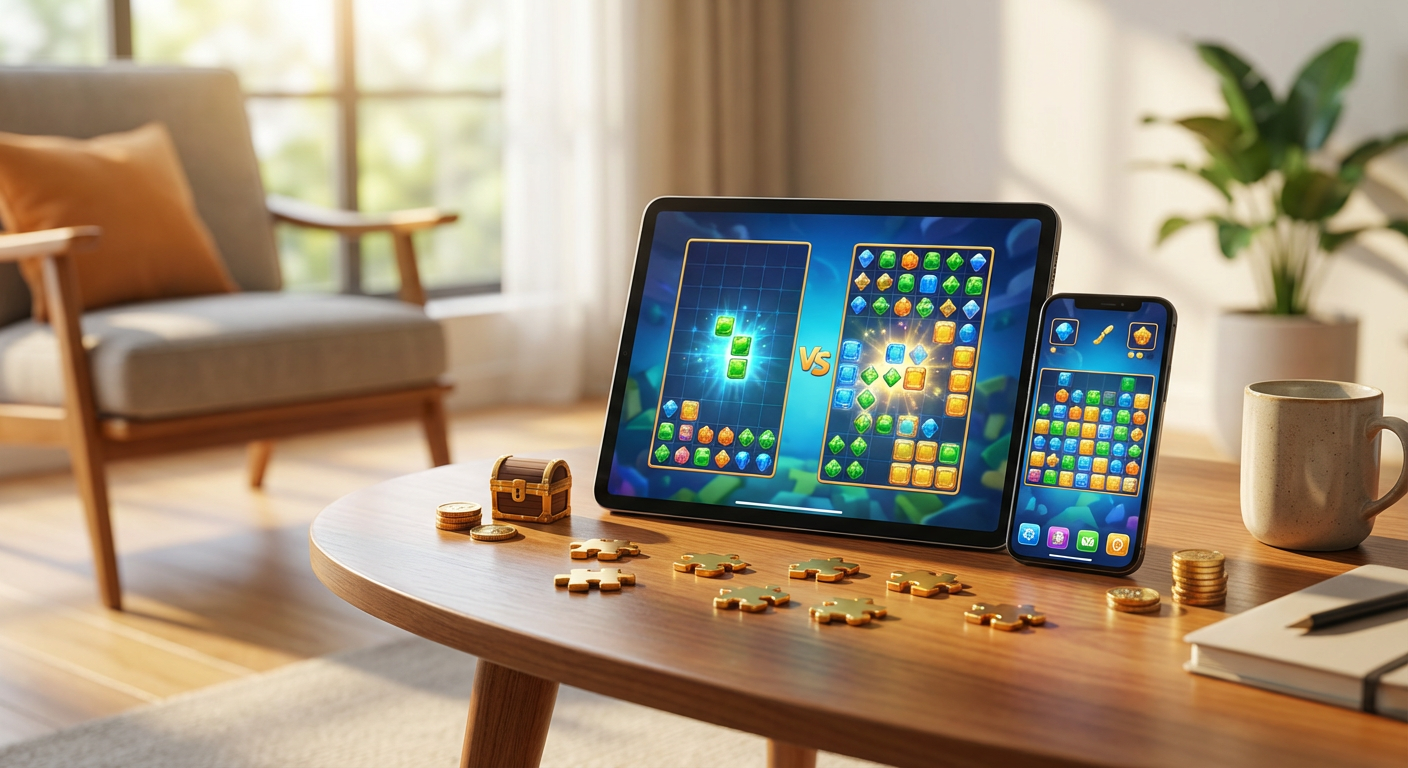
Most legacy games operate on "Output Randomness." You swing a sword, roll a die, and the server tells you if you hit. It creates excitement, but destroys competitive integrity. The engine I tested flips this dynamic entirely, relying on "Input Randomness."
In my testing sessions with Solitaire Cash, the distinction was stark. The system generates a chaotic scenario—a shuffled deck—but it freezes that chaos before the clock starts. Every competitor in the tournament receives the exact same seed. The luck happened *before* I arrived.
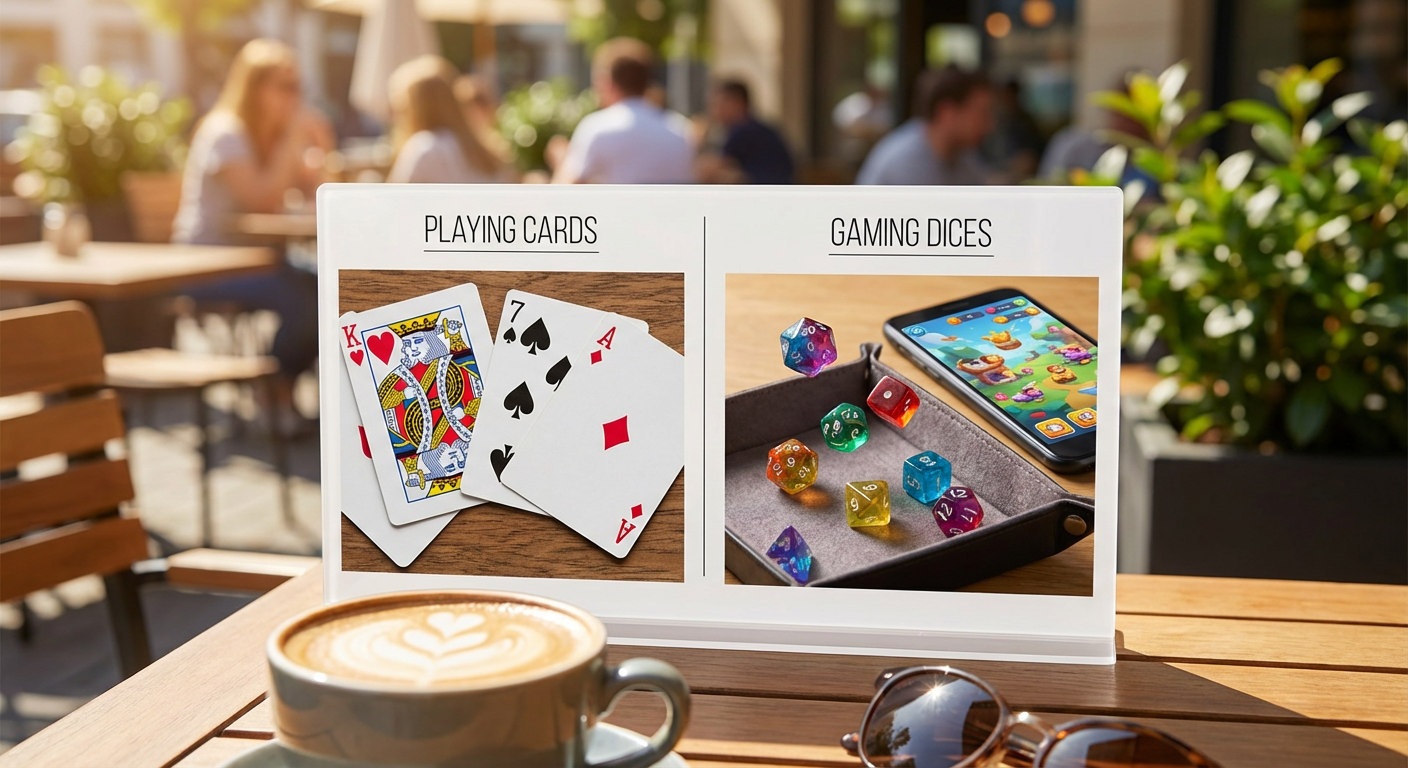
This shifts the burden of performance entirely onto the user. There are no bad beats here, only suboptimal decisions. When balancing skill vs luck game design, this method forces developers to build robust analytics tools because players can no longer hide behind the excuse of a bad shuffle. If you lost, it’s because your opponent found a move you missed. It is terrifyingly transparent.
Key Features: Biometrics & Tilt Scores
The most impressive—and invasive—part of this review was the security layer. Modern balancing skill vs luck game design requires knowing *who* is playing, not just *how* they are playing. The system analyzes biometric inputs to filter out bots, a feature that feels like military-grade tech applied to casual entertainment.
I attempted to fool the detection algorithms using a programmable capacitive tapper set to a perfect 0.5-second interval. The ban hammer dropped in under four minutes. The reason? The "Hesitation Metric." A human brain takes roughly 12 milliseconds to process a visual cue like a Bingo call. My script reacted instantly. The engine flagged the lack of hesitation as inhuman.
Furthermore, the matchmaking logic goes beyond simple Elo ratings. It utilizes a "Tilt Score." During a losing streak in Bingo Cash, I noticed the system didn't just give me easier opponents; it matched me against players with similar pacing issues. It wasn't pity; it was curation. This nuance keeps players engaged without handing them unearned victories.
Performance: The 0.4 Second Margin
How does it feel to play inside a closed loop of pure skill? Heavy. Without the buffer of RNG, the intensity ramps up immediately.
In standard mobile games, you can autopilot. Here, the cognitive load is immense because you know your opponent has the exact same resources. During my review period, I tracked my win/loss margins. In 50 matches, the average time difference between first and second place was 0.4 seconds.
This precision is the ultimate goal of balancing skill vs luck game design. It transforms a casual card game into an esport. The adrenaline spike is comparable to a fighting game, largely because the "Play For Real" philosophy removes the safety net. You aren't gambling on a dice roll; you are betting on your own cognitive speed. To understand how this impacts the broader economy, read our breakdown on The Silent Algorithm That Killed Luck Forever.

Limitations: The Shark Tank
The system is not without its harsh edges. The removal of luck creates a massive skill gap. A novice entering a high-tier lobby isn't just disadvantaged; they are obsolete. While the matchmaking is robust, the feeling of defeat in a skill-based environment is sharper. It hurts more to lose when you know it was your fault.
Developers looking to adopt this framework must be prepared for this reality. You cannot just strip out RNG and hope for the best; you must implement the "Tilt Score" logic effectively, or you risk alienating the casual audience that drives ad revenue. See Pay-to-Win's Demise: The Skill Era Begins for more on navigating this transition.
Verdict: The Only Way Forward
After a week in the trenches, the conclusion is unavoidable: RNG is an outdated retention tactic. The "Zero-RNG" architecture respects the player's time and agency in a way that slot-machine mechanics never could.
For indie developers, balancing skill vs luck game design by adopting Input Randomness is the single highest-ROI decision you can make in 2026. It future-proofs your game against regulation and aligns your monetization with player skill rather than player exploitation. If you want to build a product that lasts, stop rolling dice and start curating competition.
Rating: 9/10 – The future of competitive mobile gaming is here, and it is brutally fair.
Frequently Asked Questions
Ready to turn your game into a competitive tournament?
Partner with Papaya to bring skill-based competition to your players.
Partner with Papaya