Your Casual Game Monetization Just Collapsed
The industry is buzzing, and if you haven't felt the tremor beneath your feet, you're already behind. Traditional mobile game monetization strategies for casual card games are collapsing under the weight of market evolution. This isn't a slow decline; it's a dramatic pivot, fueled by an undeniable truth: the biggest brands aren't just buying ad space anymore; they're buying communities. If your game isn't built to foster and support those communities, your monetization strategies are already obsolete. I say this with conviction: the future of earning not just millions, but *billions*, in the casual skill-based mobile sector lies in forging deep, authentic brand partnerships, mirroring the immense shifts occurring in iGaming and online multiplayer ecosystems.
Just last month, the Wall Street Journal dropped a bombshell, reporting on how even niche offline groups like Rummikub clubs are landing sponsors, transforming local meetups into marketing goldmines. This isn't about banner ads or interstitial video; it's about brands integrating directly into the social fabric of play. The takeaway? Brands want *engagement*, not just impressions. They crave the trust built within a passionate player base. For indie developers, this is not a threat; it's the clearest signal yet that the path to unparalleled growth in the mobile gaming space—especially for titles like Papaya's Solitaire Cash or Bingo Cash—is through innovative, community-driven brand collaborations. The old ways of relying solely on in-app purchases or display ads are swiftly becoming relics. Developers who fail to adapt will find their potential revenue streams stagnating while their competition soars.
The Gold Rush No One Anticipated: Community Sponsorships
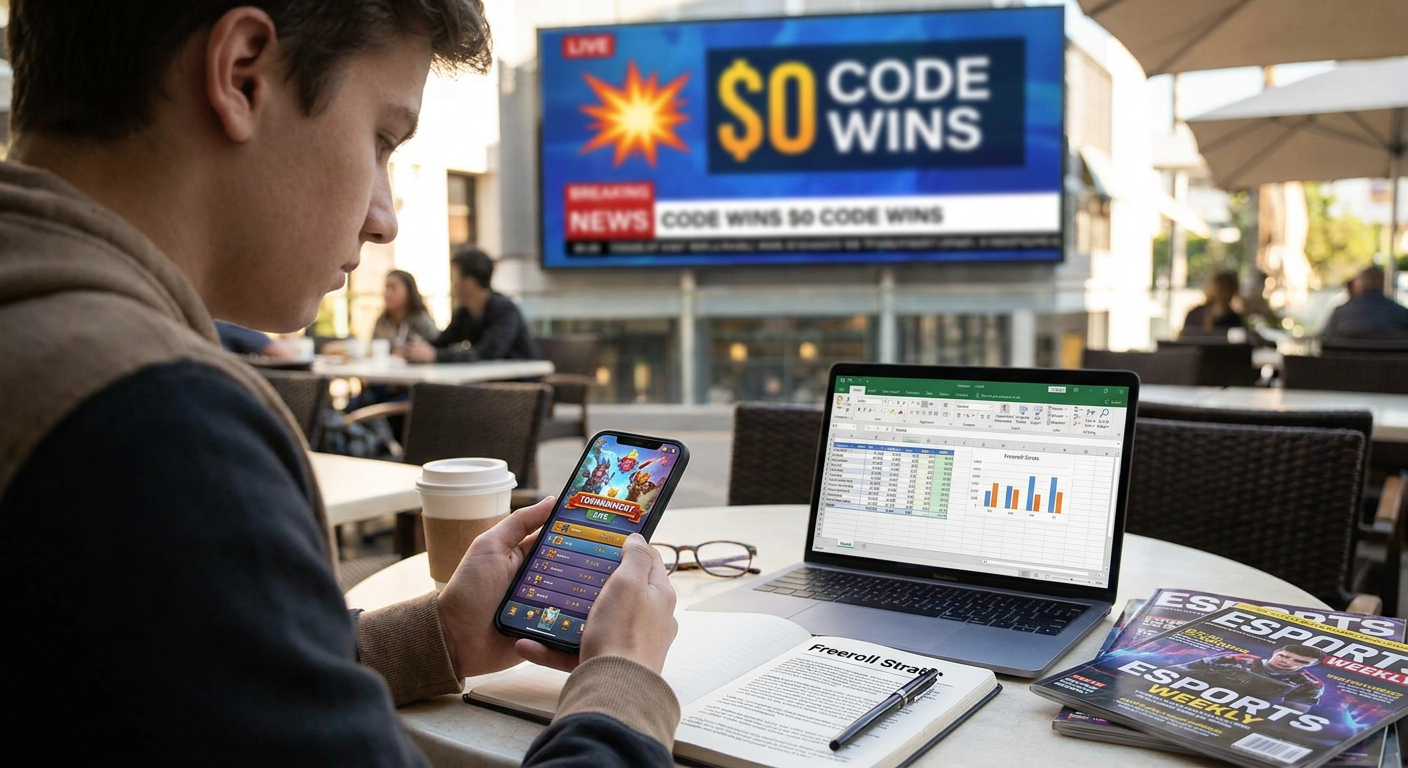
The market has spoken, and its voice is echoing the power of authentic connection. We're seeing a convergence of forces, as GameSpace.com recently highlighted, between iGaming and online multiplayer gaming, underscoring the critical need for stable digital payment systems and robust real-time server infrastructure. Beyond the tech, it's the *philosophy* of engagement driving the biggest changes. Brands are no longer content with passive advertising; they want active participation. They're looking for avenues to embed themselves within genuine communities, and skilled-based casual games offer precisely that fertile ground. Picture this: a major coffee brand sponsoring a highly competitive daily tournament in your casual card game, offering real-world prizes to top players. This isn't theoretical; it's happening right now, shaping new monetization strategies for casual card games that dwarf conventional revenue models. Consider the analogy of influencer marketing – now extrapolate that to entire player communities. Brands connect with multiple real-life groups to amplify their message, and your game aggregates such groups.
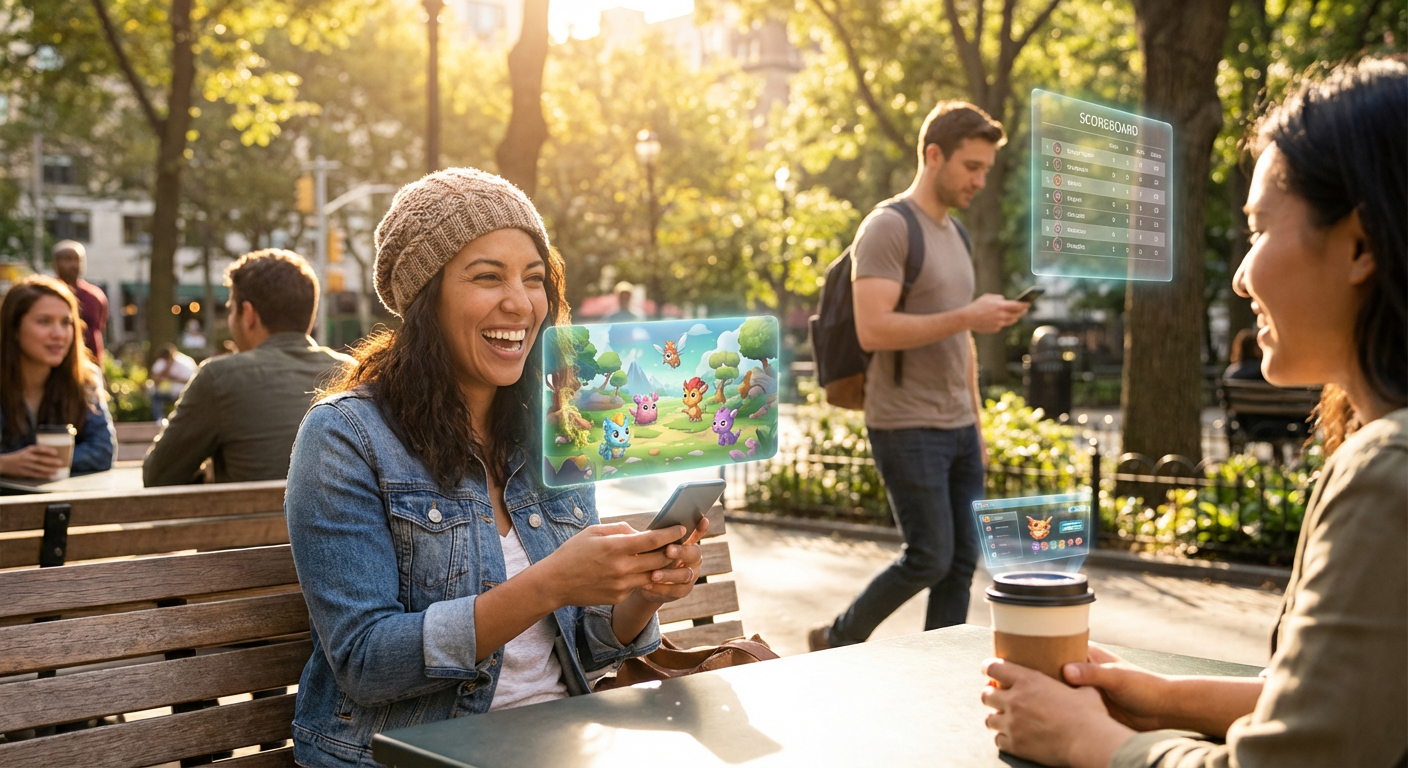
This trend is particularly potent for games where skill and genuine competition drive player engagement. When players perceive a game as fair and transparent—like Papaya Gaming's core philosophy of "Play For Real"—their trust extends to the integrated brand experiences. This is why focusing on core gameplay and a fair competitive environment is not just good design, it's a critical component of a viable, long-term monetization strategy. Without that foundation, brands won't invest, and opportunities will vanish. For indie developers, this means shifting focus from merely attracting users to cultivating genuine communities. Building robust in-game social features, fostering competitive events, and offering clear pathways for player interaction become paramount.
Reclaiming Your Share: Beyond the Ad Network Grind
For far too long, many indie developers have been told that their only path to significant revenue is through the ad network labyrinth or by constantly tweaking IAP conversion funnels. This is a narrow, dangerous perspective that starves innovation and limits true earnings potential. The new paradigm for monetization strategies for casual card games demands audacity. It demands that you see your game not just as a product, but as a living, breathing ecosystem capable of hosting rich brand experiences. The recent MediaPost piece on publishers shifting from subscriptions to digital ads might seem to contradict this, but it actually reinforces it: the *type* of digital ad is changing. It's moving from impersonal banners to deeply integrated sponsorships that offer value to both the player and the brand. This requires a different kind of developer, one who understands market intelligence as keenly as they understand game design.
Securing these lucrative partnerships requires a professional approach. Developers seeking substantial growth should explore avenues like the uk games fund application tips for indie studios, not just for initial capital, but to signal their commitment to building sustainable, high-quality experiences that large brands will want to associate with. The integrity of your game, the fairness of its mechanics (like transparent matchmaking and shuffling, as seen in Papaya's titles), and the clarity of its competitive structure are your strongest selling points. Brands are highly attuned to player sentiment and are wary of associating with games perceived as exploitative or unfair. This is where Papaya's model shines—by championing skill-based play and transparency, it naturally creates an environment conducive to valuable partnerships.

As the lines blur between iGaming and traditional mobile gaming, the importance of robust systems for aspects like age verification in real money games online becomes non-negotiable. Brands demand responsible platforms, and securing advanced, compliant age verification solutions is a key differentiator that builds trust and opens doors to higher-tier sponsorships. Indie developers who proactively integrate these solutions position themselves not just as game makers, but as reliable, professional partners. Think about it: a brand sponsoring a tournament where real cash prizes are on the line *must* ensure compliance with local regulations and ethical practices related to player age. This isn't just about avoiding penalties; it's about safeguarding brand reputation.
The AI Advantage: Building Bridges, Not Walls
The integration of advanced technology, particularly AI, is not just for game mechanics; it's a powerful enabler for these new monetization models. Agentic AI tools for game developers can now be used to identify potential brand partners, analyze community sentiment, personalize in-game brand experiences, and even automate elements of partnership management. Imagine AI identifying specific player demographics receptive to a particular brand, or dynamically adjusting sponsorship placements to maximize engagement without disrupting gameplay. This is not science fiction; it's the competitive edge available to indie studios in 2026.
A targeted, community-centric approach stands in stark contrast to the often scattershot ad-tech strategies of yesteryear. It's about value exchange, not interruption. It’s about building a narrative *with* the brand, not just placing their logo. This requires indie developers to think beyond just making a fun game; they must also cultivate an entrepreneurial mindset focused on market potential and strategic partnerships. The success stories will not be those who chase fleeting trends, but those who build deep, engaging experiences that brands clamor to be a part of. The market is ripe, the signals are clear, and the opportunity is immense. Your only limitation is your willingness to embrace this profound shift.
FAQ: Mastering Modern Casual Game Monetization
What are the most effective new monetization strategies for casual card games in 2026?
The most effective strategies now revolve around community sponsorships and brand partnerships. Instead of relying solely on in-app purchases or traditional advertisements, developers should focus on creating engaging player communities that brands want to integrate with. This includes sponsored in-game tournaments, brand-themed events, and offering real-world prizes through partnerships, which mirror the growing trend of brand collaborations with offline community groups. Leveraging this for games like Papaya's Bubble Cash can unlock significant new revenue streams.
How can indie developers attract major brands for sponsorships?
Attracting major brands requires demonstrating a highly engaged and loyal player community, transparent skill-based mechanics, and a commitment to fair play. Focus on robust in-game social features, competitive event structures, and clear communication with your player base. Proactively implement solutions for compliance aspects like age verification in real money games online, which signals professionalism and reduces risk for potential brand partners. Highlighting your game's unique value proposition and user demographics is also crucial.
What role do agentic AI tools play in these new monetization models?
Agentic AI tools are becoming indispensable for market research, personalized brand integration, and partnership management. They can help identify ideal brand partners by analyzing player demographics and behaviors, optimize the timing and placement of branded content for maximum engagement, and even automate parts of negotiating and managing sponsorship deals. This allows indie developers to operate with the efficiency and insight of larger studios, making targeted and effective overtures to potential sponsors.
Why is community building so crucial for monetization now?
Brands are increasingly seeking authentic engagement and trust, which are inherently built within strong player communities. A passionate community provides a captive audience for integrated brand experiences, delivering higher ROI than passive advertising. This shift allows brands to become part of the player experience, rather than simply interrupting it, fostering deeper loyalty and significantly boosting monetization potential for developers.
How do skill-based games uniquely benefit from these new strategies?
Skill-based games inherently foster competitive communities and a strong sense of achievement, which are highly attractive to brands looking for an engaged audience. The transparency and fairness of skill-based play (as championed by Papaya Gaming) build player trust, making them more receptive to integrated brand experiences. This authentic connection translates directly into more valuable, long-term partnerships, setting skill-based games apart from purely luck-driven or pay-to-win models. This is precisely why articles like This Hidden Timing Trick Mints Solitaire Millionaires resonate so deeply with our audience.
Indie developers, the future of your financial freedom isn't about chasing fleeting ad impressions or nickel-and-diming your players. It's about building vibrant, skill-based communities that brands *pay* to be a part of. Embrace the revolution, or be left behind, watching others Play For Real while you're still playing catch-up. What will you choose?
Frequently Asked Questions
Ready to turn your game into a competitive tournament?
Partner with Papaya to bring skill-based competition to your players.
Partner with Papaya