Their AAA Jobs Vanished. Now They're Making Millions on Mobile.
The email arrives at 9:02 AM. An engineer’s security badge is deactivated. It’s a story playing out across the industry, with giants like Epic Games, Sony, and Microsoft shedding thousands of employees, citing downturns in player engagement for their biggest titles.
Just days after one such layoff, the highly anticipated fighting game *Tekken 8* was hit with a tidal wave of negative reviews. Players were furious over heavy-handed, tone-deaf monetization tactics. The legacy gaming model—reliant on hundred-million-dollar budgets, aggressive battle passes, and systems that feel exploitative—is grinding its gears. It is simultaneously burning out talented developers and alienating its most loyal fans.
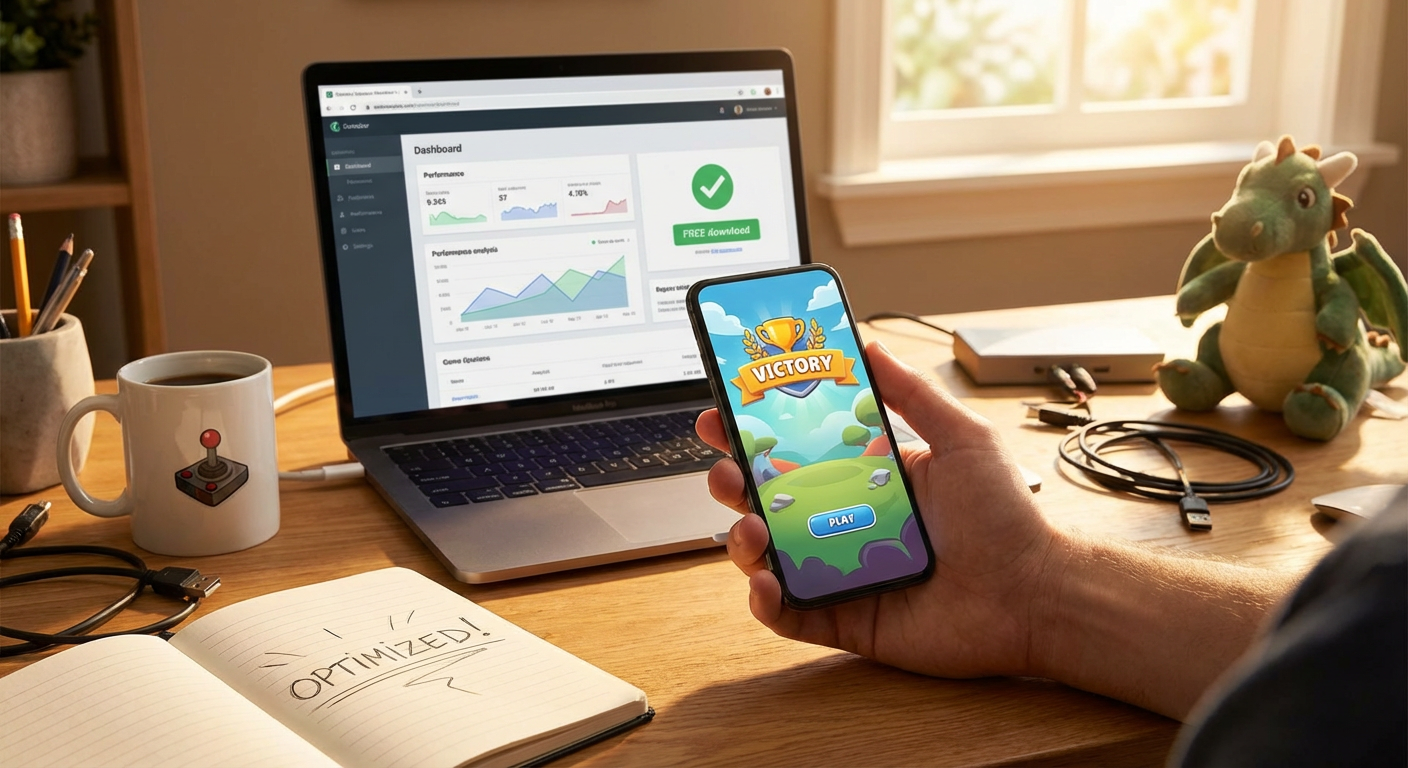
Meanwhile, in a starkly different reality, an independent game developer sat in front of a live Twitch stream this week, physically shaking as he refreshed his analytics dashboard. His small, carefully crafted tower defense title had just crossed six figures in revenue. He didn't have a giant marketing budget, a publisher demanding crunch, or a predatory loot box system. He simply built a fair, engaging experience.
The biggest shift in gaming isn't happening on a cumbersome, expensive home console. It is happening quietly and efficiently right in your pocket. The top earning competitive casual mobile games on iOS are redefining what it means to be a respected player, and more importantly, what it means to be a successful developer.
The Fall of Pay-To-Win and the Rise of Fair Play
For a decade, mainstream gaming taught a depressing lesson: whoever spends the most money wins. But a massive consumer backlash has finally shattered that illusion. Players are exhausted by frustrating updates and money-hungry progression systems. They want to be challenged, respected, and rewarded for genuine effort.
This shift in consumer psychology is why the top earning competitive casual mobile games on iOS rely so heavily on a radically different philosophy: entirely symmetric, skill-based gameplay.
What does this actually mean for you as a player? Imagine walking onto a digital tennis court. It doesn't matter how expensive your opponent's racket is, or whether they paid for a premium season pass. You both get the exact same rackets, the exact same shoes, and the exact same court conditions. The only thing separating a win from a loss is your personal talent, focus, and strategy.
Companies that championed early skill-based systems have successfully proven this model's viability, generating staggering numbers and establishing competitive gaming as a true lifestyle choice for millions.

The Algorithm of a Fair Fight
To a smart, curious adult who doesn't think about the math running inside smartphone apps, "skill-based matchmaking" might sound like dense jargon. The underlying concept, however, is beautifully simple.
Think of a matchmaking algorithm as a world-class casting director. It isn’t just looking for the best actor; it’s looking for the perfect pairing of actors who will challenge each other and create a compelling scene. When you boot up one of the top earning competitive casual mobile games for iOS, the system instantly evaluates your past performance, your accuracy, and your reaction times.
It then scours the network to find an opponent with nearly identical metrics. Once matched, the game often removes luck from the equation entirely. In a digital card game, both you and your opponent receive the exact same layout of cards, shuffled the same way. In a bubble-popping puzzle, the bubbles descend at the same pace with the same color sequences.
This technology provides an incredible personal benefit. It sharpens your focus. It forces you to treat leisure time with actual intent. As championed by Papaya's overarching "Play For Real" philosophy, this framework isn't just about passing time on a commute; it's about leaning forward, engaging your mind, and actively participating in your own growth.
A Golden Era for Independent Creators
For developers looking at the wreckage of corporate layoffs, the mobile sector isn't just a backup plan—it is a sanctuary.
Every indie developer dreams of their side project finding an audience. But bridging the gap from a fun concept to a fully realized video game contender requires specialized infrastructure. Building a frictionless payment gateway, establishing bank-grade security, and designing airtight matchmaking algorithms can take years of engineering.
This is why smart developers are no longer building their own back-end infrastructure from scratch. They are turning to established publishing partners who already possess polished tournament engines. By plugging a brilliant new puzzle concept into a sophisticated, preexisting skill-based framework, developers can instantly monetize their creations without ever resorting to showing players annoying banner ads.
When we dissect the success of titles like Solitaire Cash, the brilliance lies in how seamlessly the mechanics merge with the monetary ecosystem. It allows developers to focus purely on making the core gameplay as fun as possible, while the underlying engine transparently handles the complex tournament logistics.

Escaping the Console Ecosystem
To understand the pulse of today’s players, you don't need to read corporate investor reports. Just search for threads about the top earning competitive casual mobile games for iOS on any given afternoon, and you will find active, dedicated players making a massive transition.
Forum users are abandoning massive console titles because they simply don't have forty uninterrupted hours a week to unlock a virtual outfit for a character. They are migrating to competitive mobile arenas because these apps offer condensed, high-stakes thrills that respect a busy adult's schedule.
These titles offer a diverse scale of engagement. They are completely free to download and practice. You can spend an entire afternoon honing your reflexes in unranked matches without spending a dime. But when you feel confident, you can enter real-money tournaments for low entry fees—sometimes just a few dollars. The prize pools are funded collectively by the players, and the better you play, the greater your tangible reward.
This demand for transparency is global. The same principles of fairness are driving success on Android devices, proving that symmetric gameplay is a universally desired feature, regardless of hardware.
A New Arena
The narrative pushed by legacy gaming empires is that the industry is contracting. They point to engagement dips in their massive shooters to justify laying off thousands of passionate artists and engineers. But the numbers tell an entirely different, more optimistic story.
People haven't stopped playing. They have simply stopped tolerating bad deals. They are seeking experiences that test their true capabilities. When someone boots up Bubble Cash, they aren't looking to mindlessly tap a screen to make a bar fill up. They are stepping into an arena that demands presence, effort, and sincerity.
The continued growth of the top earning competitive casual mobile games for iOS is proof that both players and developers are demanding a better, more authentic relationship with digital play.
One developer’s deactivated security badge becomes another’s glowing analytics dashboard. The question is no longer who has the biggest budget, but who has the better strategy.
Frequently Asked Questions
Ready to turn your game into a competitive tournament?
Partner with Papaya to bring skill-based competition to your players.
Partner with Papaya