The Billion Dollar App Store Bypass
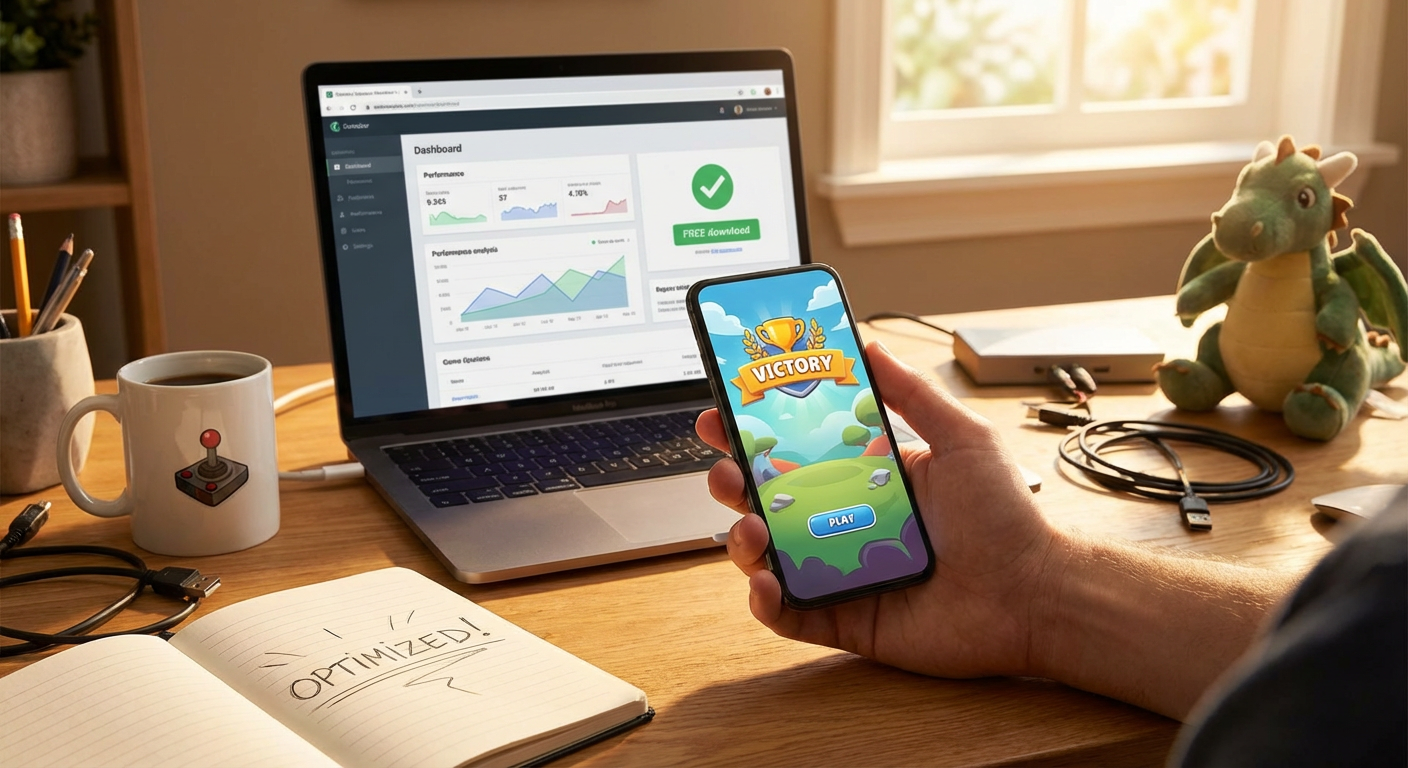
The direct-to-consumer transaction tracker clicked past $1 billion this morning. Silicon Valley's major platform custodians remain silent. Tel Aviv-based payment platform Appcharge confirmed the ten-figure annualized milestone in late March 2026. This signals a definitive fracture in the traditional mobile monetization pipeline. Publishers are successfully bypassing the mandatory thirty percent platform tax by routing players to direct web stores. They are no longer just testing independent billing; they are moving massive waves of institutional capital outside the walled gardens.
For nearly a decade, the thirty percent fee levied by dominant mobile storefronts was seen as a mandatory cost of doing business. It was the absolute toll developers paid to access global audiences. But the architecture of mobile revenue has fundamentally shifted. As player acquisition costs rise and studios seek deeper, more meaningful direct relationships with their communities, establishing free app store alternatives for mobile games has transformed from a fringe accounting trick into a central pillar of modern mobile publishing.
This shift arrives when the larger gaming ecosystem needs it most. Industry analysts recently declared that traditional console and PC gaming is increasingly becoming a "rich guy's hobby." Escalating hardware costs and seventy-dollar retail tags are systematically pricing out millions of players, heavily favoring games like Console Gaming Died In Your Pocket that provide frictionless access. As massive portions of the global market are left behind by traditional hardware giants, they are turning exclusively to mobile platforms. These players are not seeking shallow distractions; they are looking for engaging, skill-based arenas where they can test themselves, compete fairly, and play for real.
Escaping The Legacy Hardware Trap
The exodus from console gaming is creating a vacuum that mobile developers are eagerly filling, but capturing this massive influx of players requires capital. When thirty cents of every dollar is intercepted by a platform holder, indie developers are starved of the very oxygen they need to scale servers, refine matchmaking algorithms, and acquire new users. Finding ways to deploy free app store alternatives for mobile games directly solves this unit-economics crisis. By simply moving the checkout process to a secure, developer-controlled web environment, studios instantly reclaim nearly a third of their gross revenue.

This reclaimed revenue is already visibly changing the quality of titles dominating the charts. When market researchers analyze the Top grossing mobile games this month, a quiet data point stands out: the highest-performing titles attribute up to forty percent of their active revenue volume to off-platform web stores. Players actively choose to purchase entry tickets, digital goods, and tournament passes directly from the publisher's site because developers incentivize the journey. By passing a portion of the tax savings directly back to the user in the form of accelerated rewards, extra tournament entries, or loyalty points, developers build a symbiotic relationship that the traditional app store actively prevented.
The Open Source Strategy Floor
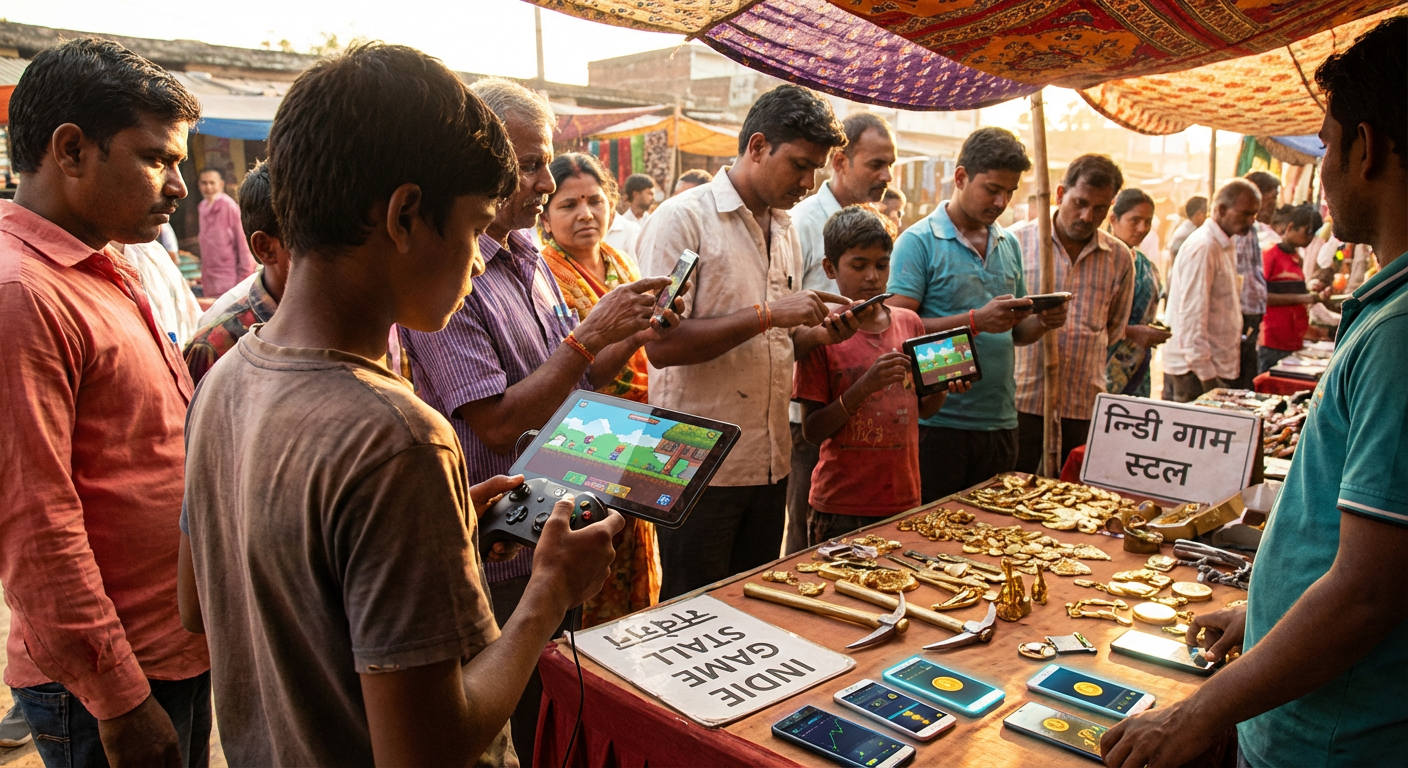
The most fascinating aspect of this financial migration is how rapidly the knowledge base is spreading. What began as a secretive whisper network between top-tier monetization executives has democratized overnight. Browsing through App store alternatives for mobile games reddit communities reveals indie solo developers and small teams sharing highly sophisticated blueprints for integrating direct-to-consumer checkout flows. These forums serve as open-source strategy rooms, breaking down exactly how to legally and effectively transition a player base to a dedicated web store without violating draconian platform guidelines.
This democratization of financial technology mirrors the shift previously analyzed when Reddit Just Destroyed The Traditional Mobile App Store. Developers learn to seamlessly link a player's in-game account ID to a lightweight web portal. A player simply taps a dedicated link, authenticates their profile on their native browser, and completes their transaction using localized payment rails. The digital goods are instantaneously injected into the live game environment. It is a frictionless loop that completely circumvents standard storefront billing, handing the developer unrestricted access to their own customer data and transaction history.
Reinvesting To Build Better Arenas
Retained capital profoundly impacts game design. The mobile sector aggressively reinvests the reclaimed thirty percent into deeper, more sophisticated player experiences. Instead of relying on aggressive, immersion-breaking ad placements, studios can fund long-term retention architecture. We are currently watching developers integrate generative AI in mobile game narrative frameworks, allowing puzzle and strategy games to offer adaptive storytelling that responds dynamically to a player's win rate, play style, and historical choices. This type of deep technical integration is incredibly expensive to host, but perfectly viable when a studio captures the entirety of its transaction revenue.

Avoiding platform fees allows developers to craft fairer, more rigorous competitive environments. The modern mobile player wants to play with intention. They approach mobile games not just as time-killers, but as legitimate arenas for mental engagement and skill expression. Developers can now afford to build highly calibrated matchmaking engines that group players by exact skill metrics, ensuring that every tournament is a true test of ability rather than an algorithmic fluke. Retained revenue ensures that studios never have to artificially degrade the player experience to hit quarterly monetization targets.
The Skill-Based Gold Standard
The ultimate beneficiaries of this structural market shift are developers building genuine skill-based ecosystems. In genres where players pay entry fees to compete in equal-footing tournaments, maintaining tight margins and immense trust is paramount. This aligns perfectly with the current movement toward transparency in gaming mechanics, a transition heavily documented as Pay-to-Win's Demise: The Skill Era Begins. When a developer utilizes free app store alternatives for mobile games, they gain the financial flexibility to guarantee larger prize pools, faster payout processing, and heavily audited fairness protocols.
We see this dynamic operating flawlessly within top-tier skill-gaming models. For robust competitive platforms, such as those hosting fast-paced titles such as Bingo Cash, the emphasis is entirely on user empowerment and transparent mathematics. Every player receives the exact same board, the exact same sequence of numbers, and operates under identical time constraints. The only variable is the player's own speed, precision, and strategic decision-making. Operating these high-fidelity arenas at scale requires world-class backend architecture. By adopting direct financial relationships, developers can ensure that optimal server performance and pristine matchmaking are never compromised by platform taxation.
Independent monetization solutions also unlock better support frameworks. When developers establish their own industry-leading publishing platforms, they have the resources to offer comprehensive, human-led customer service. Players investing their time and effort into competitive arenas like Solitaire Cash deserve more than automated chatbot responses when they encounter an issue. The financial independence afforded by direct web stores allows studios to treat their users as true VIPs, fostering a community of players who return daily because they feel respected by the platform.
A Financially Independent Future
The $1 billion milestone reported by independent payment processors is not the ceiling; it’s merely the foundation of a newly liberated mobile economy. As we move deeper into 2026, relying solely on traditional storefronts for revenue processing will seem a relic of early mobile development. The tools to secure complete financial autonomy are readily available, fully compliant, and increasingly expected by an active, engaged player base that seeks the highest value for their time.
For indie developers, the mandate is clear. Building great games is no longer enough; studios must actively design their financial sovereignty. Free app store alternatives for mobile games are the fastest way to immediately increase revenue, fund better technology, and build games that truly honor the players who show up, play hard, and demand to experience a real challenge. The era of the thirty percent platform tax is effectively over for those willing to build the bridge. It is time for developers to keep what they earn and build the competitive arenas the market is desperately demanding. Will you be one of them?
Frequently Asked Questions
Ready to turn your game into a competitive tournament?
Partner with Papaya to bring skill-based competition to your players.
Partner with Papaya