Mobile Gaming's Hidden Gold Rush
A ten-year ban was handed down at a local German LAN tournament recently, not for software cheating, but because a Counter-Strike 2 player named MAUschine physically punched his opponent during an awards ceremony. Halfway across the world, sovereign funds heavily subsidize traditional tournaments—Israel prepares to send its first official esports team to compete against 100 countries in Saudi Arabia. Global sports icons like MS Dhoni and Jasprit Bumrah pour strategic investments into massive, officially licensed eCricket productions.
Traditional esports feels like the Roman Colosseum of 2026. It's bloated, geographically complex, infinitely expensive, and occasionally violent. The spectacle is massive, but for the average developer trying to build a game—or the average adult wanting to test their skills after a long day at the office—this hyper-aggressive, ultra-funded ecosystem remains entirely unapproachable.
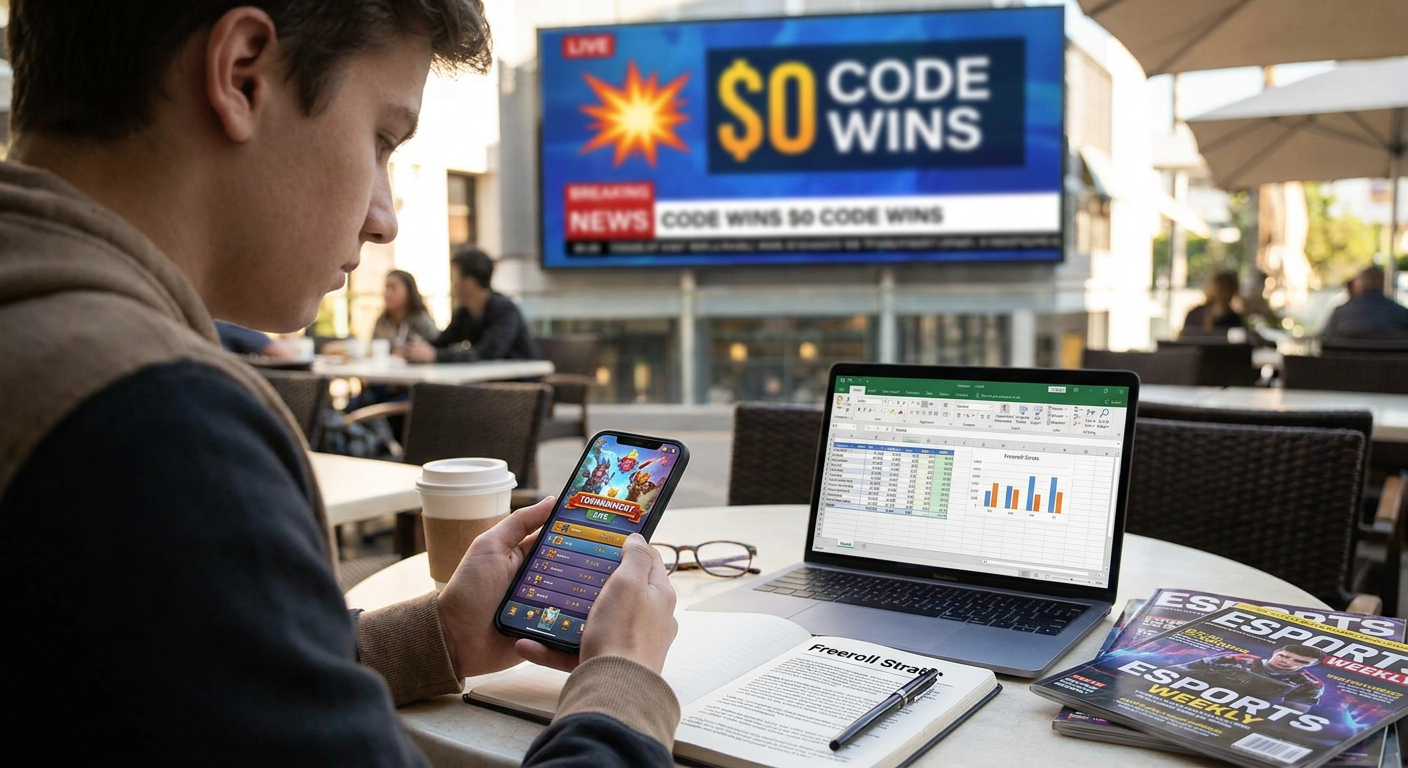
But a deep structural shift is pulling money and engagement away from the chaotic stadium stages and directly into the palms of millions of everyday people. Quietly, away from screaming casters and physical brawls, a highly lucrative and deeply accessible alternative has taken the market.
At the core of this massive shift are highly engineered casual mobile esports tournament structures. These digital arenas completely reshape mobile gaming, providing indie developers with a sustainable monetization model and rewarding players who prefer intellectual challenges over Twitch-fueled reflex duels.
The Engine Replacing Stadium Chaos
If you don't work in tech, the phrase "asynchronous matchmaking algorithms" probably sounds like dry engineering jargon. But understanding this concept is crucial to understanding why the mobile gaming industry print money.
Think of traditional multiplayer gaming like a high-stakes basketball game: all players must be on the same court, at the exact same time, experiencing the same wind, lighting, and referees. If one player's internet connection drops, the entire game collapses. It is incredibly fragile.
Modern casual mobile esports tournament structures solve this by acting like a temporal cloning machine for a puzzle room. When you enter a tournament, the software generates a specific, totally random deck of cards or board layout. It then gives that exact same board, with the exact same variables, to an opponent of your equal skill level. You don't have to play at the exact same time. You play your five-minute session on your lunch break. Your opponent might play their session on their couch three hours later. The server records the scores, compares the results, and awards the winner.
This simple, brilliant mechanic completely eliminates lag, removes the toxicity of live voice chats, and guarantees absolute fairness. Nobody gets a "lucky" game board because both competitors face the exact same challenges. Your victory relies solely on how efficiently you navigate the obstacles compared to the other human being.

Why Developers Abandon The Ad Model
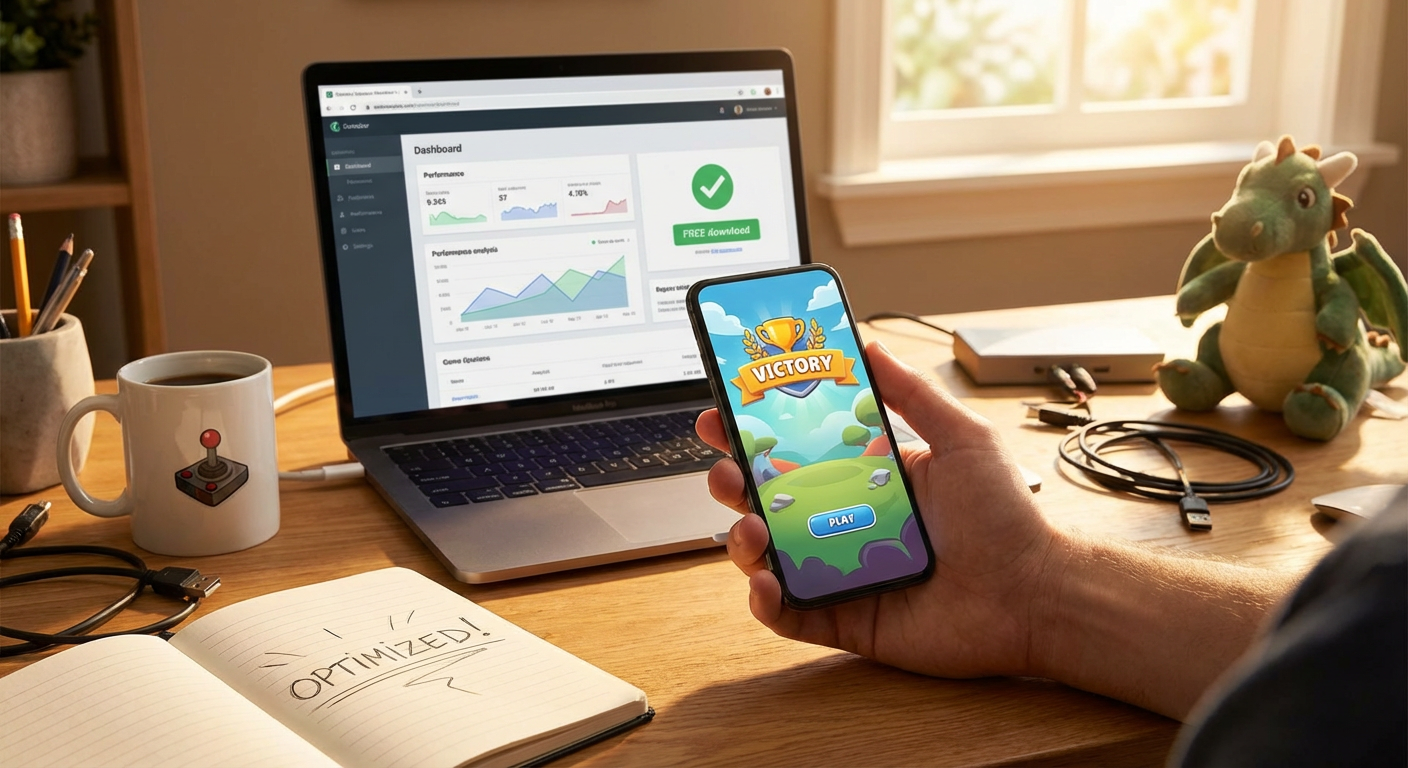
For indie game developers, implementing casual mobile esports tournament structures offers an immediate, life-changing way out of the dying digital advertising cycle. For the last decade, developers were starved by the "free-to-play" model. They had to build games, hope millions of people downloaded them, and then endlessly interrupt those players with unskippable video ads just to make pennies on the dollar.
Tournament play obliterates that dynamic completely. It aligns the financial success of the developer directly with the satisfaction of the player. As detailed in the recent breakdown on how Tournament Tech Obliterates Casual Mobile Gaming, the model is incredibly straightforward: players pay a nominal entry fee to join a prize pool, the developer takes a tiny transparent infrastructure fee for hosting the secure match, and the winner takes the pot.
This provides a massive green light for the indie development community. You no longer need to build predatory "pay-to-win" mechanics where players are forced to buy digital swords or endless booster packs to beat their friends. You just have to build a beautifully balanced, universally appealing game metric—like a digital solitaire layout or a bubble popping physics engine—and let players compete on pure merit.
Preparing The Mind For Mobile Competition
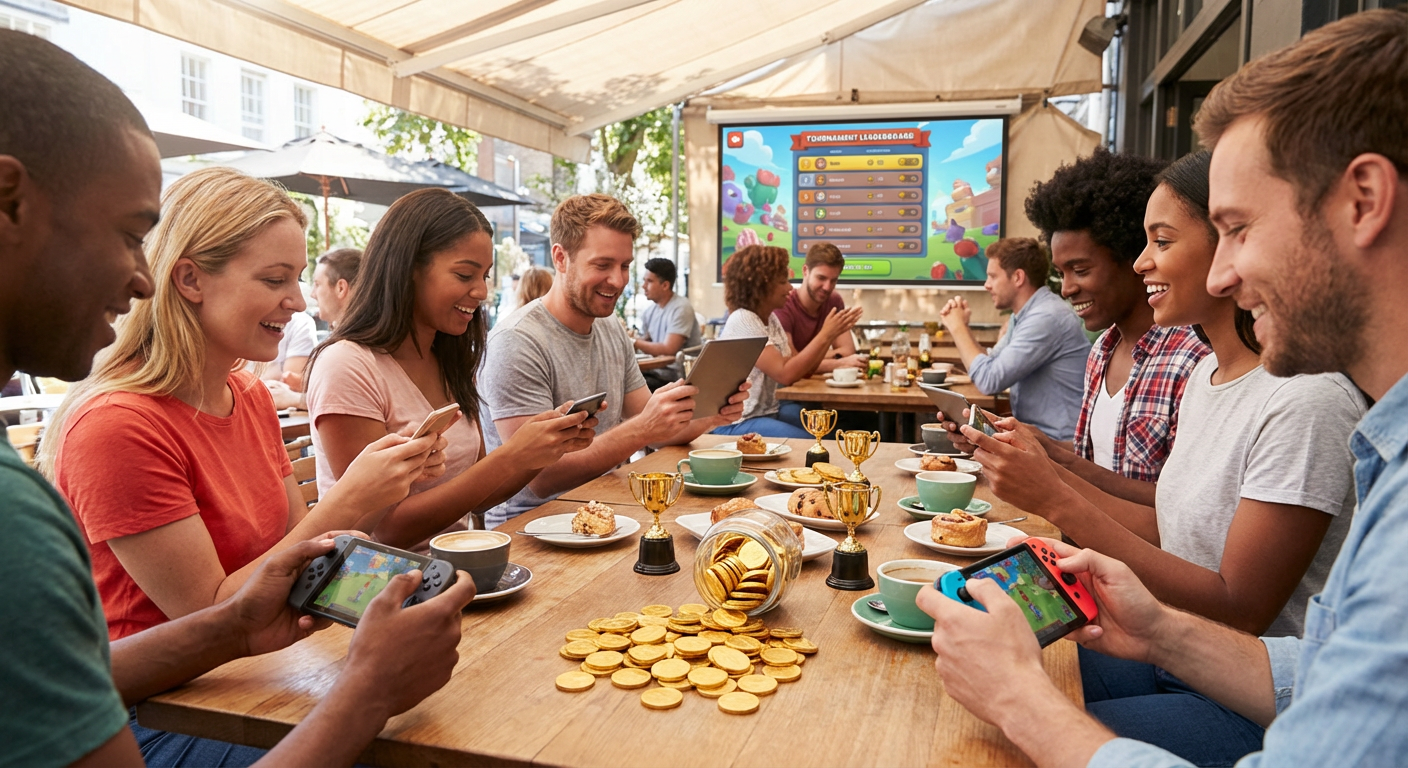
The beauty of these casual mobile esports tournament structures is that they invite everyday adults to test themselves without needing to dedicate fifteen hours a day to practice. However, because you are matched against humans of similar skill rather than easily predictable computer bots, treating these games strictly as passive background noise guarantees a loss.
When preparing for casual mobile gaming tournaments, the most essential step is mental framing. Papaya Gaming, a leader in the skill-based space, refers to this philosophy as "Play For Real." It is a profound departure from the popular idea that gaming should be mindless escapism. Instead, Papaya builds games for people who show up with presence, effort, and sincerity. They advocate that play should be an intentional exercise in focus.
If you want to win, put the phone in "Do Not Disturb" mode. Sit up. Breathe. Think of games like Solitaire Cash not as time-killers, but as five-minute cognitive treadmills. You are stepping into a competitive arena to test your pattern recognition, spatial awareness, and resource management. Treating the session with respect is the first and most critical advantage you can give yourself over a distracted opponent standing in a loud grocery store line.
Timing The Market For Peak Performance
Because the underlying architecture matches equally skilled players, the granular details of your playstyle suddenly become incredibly important. Winning requires strategic insight into both the game mechanics and the broader ecosystem of the platform itself.
Analytics reveal fascinating trends regarding the best times to play cash tournaments. While the algorithms constantly strive to match you evenly regardless of when you log in, player liquidity—the sheer volume of humans online—fluctuates wildly throughout the week.
Weeknight evenings often see a massive influx of casual competitors logging on to decompress after work. This high volume allows the matchmaking systems to find hyper-accurate skill pairings almost instantly. Deep into Sunday mornings, the demographic density shifts. The players awake and competing at 6:00 AM on a Sunday are often the die-hard strategists. Understanding this rhythm allows savvy competitors to choose whether they want lightning-fast matchmaking against a broad general audience, or slower, highly calculated matches against fellow early-rising tacticians.

Mastering Specific Mechanics: The Bubble Shooter Strategy
Beyond timing, tactical execution within the game engine definitively separates the hobbyists from the regular winners. The math behind the matchmaking is meticulous, as explored in The Hidden Prize Pool Math Changing Mobile Games Forever; thus, your edge must come from mastering nuances your opponent overlooks.
Consider the mechanics within highly kinetic spatial puzzles. A common mistake newcomers make is treating all colors or shapes as equal targets. The optimal powerup strategy for competitive bubble shooters involves aggressive, calculated resource hoarding. In arenas like Bubble Cash, it is rarely beneficial to use an explosive powerup immediately upon earning it.
Instead, elite players analyze the architecture of the board. They manually clear out the foundational, easy-to-reach clusters at the bottom of the screen to expose the structural "hinge" pieces higher up. They save their screen-clearing bombs specifically for dead-end clusters that would otherwise require five or six wasted moves to clear naturally. In an asynchronous tournament where both players have the exact same layout, the winner is usually the person who saved their bomb for the 40-second mark to execute a massive, multi-tiered drop, rather than the player who panic-fired it at the 10-second mark.
The Real Cost and The True Value
If you are staring at this ecosystem from the outside, the logical question is: How much does this actually cost, and is it a system worth engaging with?
The cost barrier to entry is radically lower than traditional gaming. You don't need a three-thousand-dollar gaming computer, and you don't need to purchase a seventy-dollar retail disc. You can download the apps for free and practice in non-cash "gem" or "ticket" tournaments indefinitely to learn the ropes. When you are ready to transition to real stakes, entry fees for beginner cash pools often sit between sixty cents and three dollars. For the price of a small black coffee, you can secure entirely distinct, high-intensity competitive experiences.
Is it worth it? Yes. By engaging with these ecosystems, you are participating in a fundamental shift in how digital entertainment is consumed and respected. Papaya Gaming's mission is to help people unleash their potential through play. They view these platforms as gyms for the mind, where the thrill of the win is secondary to the satisfaction of applying yourself fully to a given task.
For the developer, casual mobile esports tournament structures are the blueprint for building sustainable, transparent, and fundamentally fair digital businesses. For the player, they are an invitation to put the mind to work, to compete with integrity, and to experience the genuine thrill of a well-earned victory. Traditional esports can keep their stadiums and their scandals. The real future of competition is already quiet, precise, and sitting in your pocket.
Frequently Asked Questions
Ready to turn your game into a competitive tournament?
Partner with Papaya to bring skill-based competition to your players.
Partner with Papaya